

If you live in the Triangle and just bought an electric vehicle, you probably want a Level 2 charger in your garage or driveway as soon as possible. Right behind that excitement often comes a big worry, EV charger installation permit requirements in the North Carolina Triangle and what happens if you get them wrong.
You might hear different stories from neighbors, online forums, or even your car dealer. Some people say you can just plug it in and skip the paperwork, while others warn about failed inspections and trouble when you sell your home.
This can feel stressful, especially if you care about safety, insurance, and protecting your home value in places like Raleigh, Durham, Cary, and nearby communities. You should not have to guess about something as important as your electrical system.
In this blog, we walk through when you need a permit, how the process works in the Triangle, and what inspectors look for so you can plan with confidence. Permits and inspections are not there to slow you down, they exist to keep your home safe and your future resale simple.
Understanding Ev Charger Installation Permit Requirements In The North Carolina Triangle
Do you need a permit to install a home EV charger in North Carolina? If you live in the Triangle, the honest answer is usually yes for a Level 2 charger.
A Level 1 charger uses a standard 120 volt outlet and often comes with the car. A Level 2 charger runs on a 240 volt circuit and almost always needs its own dedicated breaker.
The moment you add a new 240 volt circuit or upgrade your electrical panel, you move into permit territory. That is true in Raleigh, Durham, Cary, Apex, Holly Springs, Garner, Clayton, Fuquay Varina, Wake Forest, and most nearby towns.
Some homeowners hope that a charger works like a plug in appliance. In reality, the local building department treats it more like a new major electrical load, similar to a range or a hot tub.
Who Issues Ev Charger Permits In The Triangle
Permits do not come from your car dealer or the charger brand. They come from the city or county that oversees building and electrical work where you live.
In the Triangle, that usually means one of these:
- City of Raleigh or Wake County for many Raleigh addresses
- Town of Cary for most Cary homes and small businesses
- City of Durham or Durham County for most Durham addresses
- Towns such as Apex, Holly Springs, Fuquay Varina, Garner, Clayton, and Wake Forest through their own or county systems
Each office uses the same basic safety standards but may have slightly different forms or fees. You do not have to memorize every detail, but you should know that the rules exist and that they apply to EV chargers.
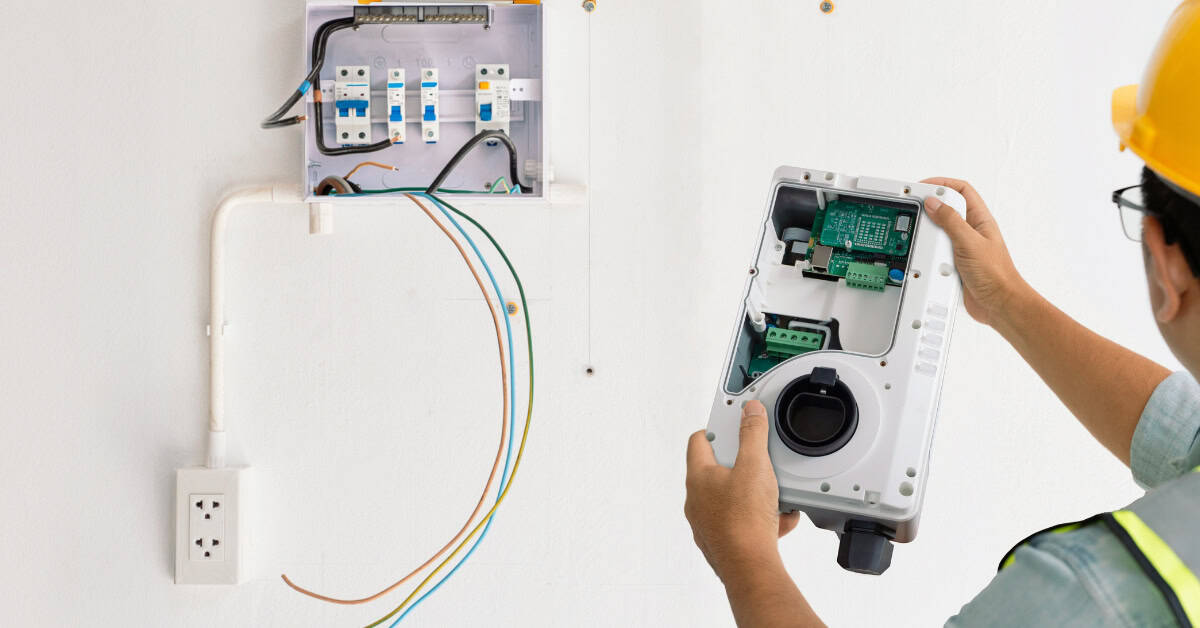
Most homeowners do not walk into the permit office on their own. A licensed electrical contractor usually applies for the permit, handles questions, and schedules inspections for you.
Why Permits And Inspections Protect You
Permits can feel like red tape at first. In practice, they protect you, your family, and your property.
When you pull a permit and pass inspection, you gain a second set of trained eyes on the work. That extra check helps catch issues like overloaded panels, undersized wiring, or loose connections that could lead to fires.
Permits also help in three big ways:
- Insurance, insurers look more favorably on properly permitted and inspected electrical work
- Resale, home inspectors often flag unpermitted wiring, which can slow or complicate a sale
- Warranty, some charger and vehicle makers want proof of proper installation to honor warranties
A problem from a shortcut might not show up right away. The risk often appears at the worst moment, such as during a claim or right before closing on a home sale.
Typical Steps To Get A Permit For A Home Ev Charger
The process in the Triangle follows a fairly simple path. You do not need to manage every detail, but it helps to know the basic flow.
Most permitted EV charger projects include steps such as these:
- Site visit, an electrician looks at your panel, wiring, and where you want the charger
- Load check, they calculate if your current panel can safely handle the extra load
- Permit application, they submit a permit request to your local city or county
- Installation, they install the circuit, breaker, and charger to current code
- Inspection, a city or county inspector checks the work and signs off
In many Triangle homes, this process takes only a few visits. The permit and inspection steps add structure, not endless delays.
Common Permit Requirements For Ev Chargers In The Triangle
Every town has its own forms and fee amounts, but the safety checklist stays fairly consistent. Inspectors across the Triangle usually look for the same basics.
They want to see details such as:
- Correct breaker size for the charger
- Proper wire size and type for the distance and load
- A dedicated circuit assigned only to the EV charger
- Safe, secure mounting for the charger unit
- Clear labeling in the electrical panel
- Proper grounding and bonding
You do not need to know the technical code numbers. You just need to understand that these rules exist to keep your wiring from overheating and to keep you safe while you charge.
What Happens If You Skip The Permit
Skipping the permit might feel tempting if you want the charger running as fast as possible. In the Triangle, that shortcut can lead to problems later.
Some common issues that show up over time include:
- A home inspector finds unpermitted work when you sell
- A buyer asks for a price reduction or demands that the charger be removed or brought up to code
- An insurance adjuster questions coverage after an electrical fire or other damage
- The city requires you to pull a permit after the fact and possibly open finished walls for inspection
Sometimes nothing seems wrong at first. The real trouble often appears years later, when a buyer, inspector, or insurer takes a closer look.
Costs And Timelines You Can Expect
Every home in the Triangle looks a little different, so there is no single price for a charger installation. Your cost and timeline depend on how ready your electrical system is for a new load.
Main factors that affect the total project cost include:
- Panel capacity and age
- Distance from the panel to where you park
- Whether you need trenching or conduit outdoors
- Charger brand, style, and charging speed
Permit fees usually form a small part of the total cost. For most homeowners, the larger factor is whether the panel has room for a new breaker or needs an update to handle more power.
From first call to final inspection, many Triangle homeowners finish the process in a few weeks. Busy seasons or complex upgrades can take longer, but the basic pattern stays the same.
Ev Charger Permits For Small Businesses And Rental Properties
If you own a small business or rental property in the Triangle, the same permit rules still apply. In many ways, the stakes are even higher because more people use the charger.
For commercial or multi unit properties, you may also need to think about points such as:
- Parking layout and how people reach the charger safely
- Basic accessibility considerations for customers or tenants
- Clear signage and safe cable management to prevent trips or damage
A permitted, documented installation protects you from more than electrical hazards. It also shows tenants, employees, and customers that you take safety and reliability seriously on your property.
Wrapping Up: Making Ev Charger Permits Simple In The Triangle
By now, you can see that EV charger permits are not just paperwork, they are a built in safety net. When you follow the process in Raleigh, Durham, Cary, and nearby towns, you protect your home, your insurance, and your future resale.
A permitted, code compliant installation means you charge your EV each day with real peace of mind. You also avoid unpleasant surprises during home inspections and keep your electrical system ready for future upgrades.
How We Help You Stay Code Compliant And Confident
When you install a Level 2 charger, you should not have to struggle with forms, codes, and inspection schedules. M Power Electric handles the permits, plans the wiring, and coordinates with local inspectors so you can focus on how and where you want to charge.
Our work stays focused on safety, clean layouts, and long term reliability. We look at your panel, your parking, and your future plans, so your charger fits your life instead of feeling tacked on.
If you also think about a home generator or other electrical upgrades, we can help you plan those in a smart, code compliant way. You can also explore our full electrical services to see how everything from lighting to panel upgrades can work together. That approach keeps your whole system working together instead of feeling pieced together over time.
Ready For A Safe, Permitted Ev Charger In The Triangle
If you are ready to install a home EV charger in the Triangle, M Power Electric is ready to make the permit and inspection process feel straightforward. We walk you through each step, from the first panel check to the final sign off, so your charger feels safe, simple, and fully approved.
You can start with a free quote and a clear plan for your home or small business. Call M Power Electric at 919.229.9778 and move toward an EV charging setup that is safe, code compliant, and ready for the road ahead.