

If you drive an EV in the Triangle, you probably wonder, “Do you need a permit to install a home EV charger in North Carolina?”
It is a fair question, especially if you worry about inspections, safety, or how this might affect resale down the road.
You hear different things from neighbors in Raleigh, Cary, Durham, and Wake Forest, and it can get confusing fast. Some people say they just “plug it in,” while others talk about inspections, paperwork, and panel upgrades.
This article walks you through what really matters before you add a Level 2 charger at your house or small business. You learn how permits, EV charger load calculation and panel capacity all fit together so you can make a smart, safe decision.
The goal is to help you feel confident, not overwhelmed. By the end, you know what your city or town likely expects, what an electrician looks at behind the scenes, and how the right steps now can protect your property and your peace of mind.
Do You Need A Permit For A Home EV Charger In North Carolina
When you live in the Triangle, you deal with a mix of state rules and local rules. North Carolina sets the baseline with the state electrical code, then each city or county applies it through their own permitting office.
In most homes, if you install a Level 2 EV charger, you should expect to need an electrical permit.
The details can change a bit between Raleigh, Durham, Cary, and other towns, but the core idea stays the same.
North Carolina Codes Versus Local Triangle Rules
North Carolina uses the National Electrical Code as the foundation for safety. That code treats EV chargers as a significant load that needs proper wiring, breakers, and protection.
Each Triangle jurisdiction then decides how you apply for permits and inspections, and how the process flows.
Raleigh may handle your permit a little differently than Apex or Garner, even though all follow the same basic safety standards.
Here are a few things that usually stay consistent across the Triangle.
- Any new 240 volt circuit for an EV charger needs a permit.
- Work must follow the current electrical code, not the code from when your home was built.
- An electrical inspector signs off on the work before it is officially complete.
The local twist shows up in how you submit forms and schedule inspections. In some towns you can apply online, and in others you might work directly through the contractor or a local inspections counter.
You might also hear neighbors say things like “I plugged mine into my dryer outlet and skipped the permit.”
That may happen, but it does not mean it is safe, legal, or a smart long term choice.
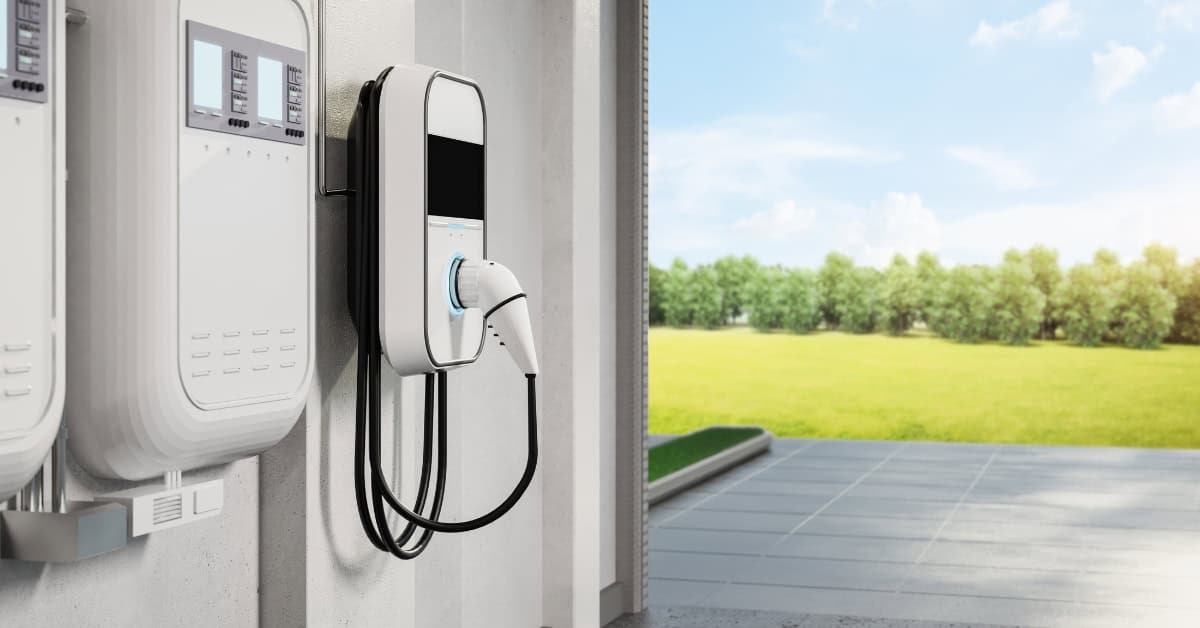
When A Permit Is Required For A Home EV Charger
To keep things simple, think about two basic types of charging at home, Level 1 and Level 2. The type you choose has a big impact on permits in the Triangle.
Level 1 charging usually uses a standard 120 volt outlet, the same kind you use for lamps or a phone charger.
Level 2 charging uses a 240 volt circuit, similar to what a range or dryer uses.
In the Triangle, permits are generally needed when you:
- Install a Level 2 charger on a new 240 volt circuit.
- Add a new breaker for charging in your main or sub panel.
- Run new wiring through walls, ceilings, or underground to reach a garage or parking spot.
- Upgrade or replace your electrical panel to handle the added load.
Here are a few examples that often trigger permits.
- You live in Cary and want a 40 amp Level 2 charger in the garage, and your panel is on the other side of the house. New circuit and new wiring mean a permit is needed.
- You own a townhome in Raleigh with a detached garage and want to run power out to that building. New circuit and trenching mean a permit is needed.
- You manage a small office in Durham and want a couple of wall mounted chargers for staff. New dedicated circuits and commercial wiring mean permits are needed.
You might not need a permit if you plug an EV into an existing 120 volt outlet and do not change any wiring. Even then, it still makes sense to confirm that the outlet and circuit can safely handle the added use.
Who Pulls The Permit For An EV Charger
In most Triangle cities, a licensed electrician pulls the permit for you. You approve the work, then the contractor handles the application, drawings if needed, and the inspection request.
This setup keeps the process simple on your end. You focus on where you want the charger and how you plan to use it, while the contractor takes care of code language, paperwork, and scheduling.
A typical permit flow for a home or small business in the Triangle looks like this.
- We visit your property and look at your panel, parking area, and main service.
- We perform an EV charger load calculation to see if your panel can handle the new circuit.
- We decide if you need a simple circuit addition, a panel upgrade, or a service upgrade.
- We submit permit paperwork to your local inspections office.
- After the work is complete, we schedule the inspection and walk the inspector through the job.
You might sign a permit form or receive a copy for your records. It helps to keep that in a safe place along with any installation details.
Trying to pull your own permit for EV charging often brings more headaches than it saves. You could end up responsible for code details and inspection questions that a licensed electrician handles every day.
EV Charger Load Calculation And Panel Capacity Explained Simply
Before anyone runs wire or mounts a charger, one key question matters most. Can your electrical system safely handle the extra load from the EV charger.
That is where the EV charger load calculation and panel capacity check come in. These steps protect your home from overheated wires, nuisance breaker trips, and long term damage.
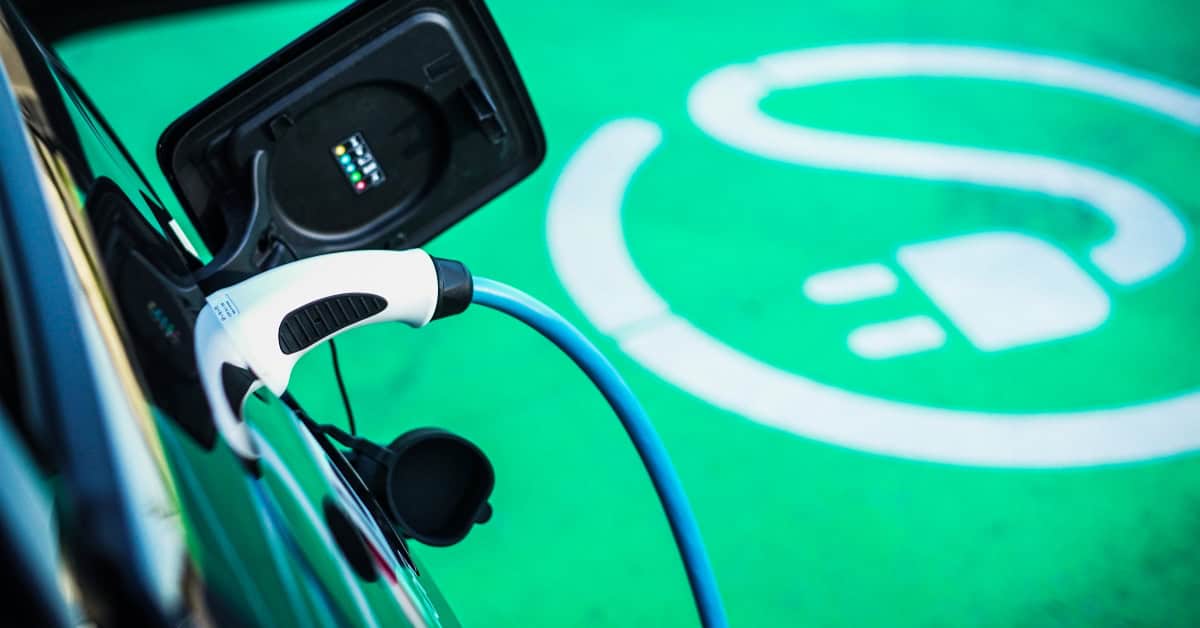
What Load Calculation Really Means For Your Home
A load calculation is basically a scorecard for how much electrical demand your home has. It looks at what you already use, then checks whether a new EV charger will push things too far.
Instead of guessing, an electrician lists out your bigger electrical loads, such as:
- Heating and cooling systems.
- Electric range or cooktop.
- Electric oven.
- Electric dryer.
- Electric water heater.
- Well pump, if you have one.
- Hot tub or pool equipment.
- Any large workshop tools.
We then add the proposed EV charger to that list. The math follows code rules so that the system stays within safe limits and keeps your home protected.
If you are ready to install a home or small business EV charger and want it safe, legal, and future proof, our team at M Power Electric is here to help. We walk you through load, panel capacity, permits, and inspections so you can charge with confidence instead of worry.
We offer free quotes, so you can see your options clearly and choose the best path for your home or property in the Triangle. Call our team at M Power Electric at 919-229-9778 to talk through your plans and schedule a visit.
How To Tell If Your Panel Can Handle An EV Charger
Take a look at your electrical panel and find the main breaker at the top. You probably see one of these ratings, 100 amps, 150 amps, or 200 amps.
Older homes in Raleigh, Durham, or Clayton might have 100 amp service. Newer construction in Apex, Holly Springs, and Fuquay Varina often has 200 amp service.
A higher number does not always mean your system can easily handle a charger. Your panel might already feed several large loads, especially if you have:
- Two heating and cooling systems.
- An all electric kitchen.
- An electric tankless water heater.
- A hot tub or pool.
- A finished basement or workshop with big tools.
One common myth is that an empty breaker space means you have enough capacity. That open space is just physical room for a breaker, not proof that your service can safely handle more load.
To check real capacity, an electrician will:
- Review the size of your main breaker and service rating.
- Look at your existing circuits and major appliances.
- Perform a proper EV charger load calculation.
From there, you receive a clear answer on what your system can safely support and what kind of charger fits best.
Example Of A Simple EV Charger Load Calculation Scenario
Picture a typical 2,400 square foot home in Cary with 200 amp service. The home has electric heat, central air, an electric range, and a standard electric water heater.
You want to add a 40 amp Level 2 charger for your EV. This charger often uses a 50 amp breaker and can draw up to 40 amps continuously while charging.
In a simplified way, the electrician would:
- List your major loads and apply code demand factors to each category.
- Add the continuous EV charging load to that total.
- Compare the result to the safe capacity of your 200 amp service.
If the total stays within safe limits, the system can usually take the charger without major changes. If the numbers push too close to the limit, you may need a different plan to protect your home.
This example stays basic, but it shows why guessing or copying a neighbor’s setup does not work. Each home, each set of loads, and each panel has its own unique picture.

What Happens If Your Panel Is Too Small
Sometimes the load calculation shows that your panel is already working near its limits. That is especially common in older homes with 100 amp service or homes packed with many electric appliances.
If that happens, you still have options. You simply need to choose the one that fits your budget, timeline, and charging needs.
Common paths include:
- Panel upgrade, replace an older or crowded panel with a larger one if your existing service can support it.
- Service upgrade, increase the size of the electrical service coming into your home, then install a larger panel.
- Lower amp charger, install a charger that uses less current and charges a bit slower but stays within your capacity.
- Load management device, use equipment that shares power between the EV charger and another large load so both do not run at full power at the same time.
What you want to avoid is overloading your existing system just to save a few steps. Pushing a panel beyond its safe capacity can lead to tripped breakers, overheated conductors, and a much higher fire risk.
It can also create problems with insurance if something goes wrong and investigators trace the issue to overloaded circuits.
Staying within the limits your system can handle protects your home, your investment, and everyone who lives or works there.
Permits, Inspections, And Resale Value In The Triangle
Permits and inspections can feel like pure red tape, but they sit at the center of safety and long term value. In growing markets like Raleigh, Durham, and the surrounding suburbs, buyers and home inspectors pay close attention to electrical work.
A well documented EV charger installation can become a feature that adds appeal to your listing. The opposite can turn into a headache right when you want a smooth closing.
Why Skipping The Permit Can Cost You Later
When you skip a permit, you also skip an official record that the work follows electrical code. That may not seem important today, but it can surface later in stressful ways.
Here is where trouble often shows up for Triangle homeowners and small business owners.
- During a home inspection, the buyer’s inspector sees the charger and asks for permits or documentation.
- During an insurance claim, an adjuster finds signs of electrical work and asks if it was permitted and inspected.
- During future upgrades, a contractor discovers non compliant wiring and has to correct it before any new work can continue.
In some cases, a buyer may insist that you remove and redo the EV charger work under a new permit. That means paying twice for something that could have passed inspection the first time.
What To Expect During The EV Charger Inspection
An electrical inspection for an EV charger in the Triangle is usually straightforward. The inspector’s main goal is to confirm that the work is safe and code compliant, not to make your life difficult.
During a typical visit, the inspector may:
- Look at the main panel and any subpanels involved in the charger circuit.
- Check the breaker size that feeds the EV charger.
- Verify that the wire size matches the breaker rating and charging load.
- Confirm proper grounding and bonding at the panel and charger.
- Check for required labeling and clear working space around the panel and charger.
- Test or verify any required ground fault protection.
Most inspections take a short amount of time. If something small needs correction, the inspector explains it, the electrician fixes it, and a quick recheck clears the job.
Once you pass, your project has a clean sign off on record with the local inspections office. That record can be very helpful when you sell the home or complete other upgrades.
Documentation To Keep For Peace Of Mind
After your EV charger is installed and the inspection wraps up, it helps to keep a small paper trail for the future. This does not need to be complex or time consuming.
Useful items to keep include:
- A copy of the permit and final inspection approval.
- The charger’s installation manual and warranty information.
- Photos of the panel and charger after installation.
- Any notes or simple drawings that show circuit routes or panel details.
Store these in a folder or scan them into a digital file on your computer.
When you later sell your home, plan another upgrade, or work with your insurance company, this documentation shows that your EV charger installation is safe, permitted, and properly documented.
A Safer, Smoother Path To EV Charging In The Triangle
You have a lot to juggle when you add a home EV charger in the Triangle. Permits, inspections, EV charger load calculation, and panel capacity all connect to one core goal, keep your home safe and code compliant.
When you handle those pieces the right way, you protect your family, your property, and your future resale. You also avoid unpleasant surprises with tripped breakers, denied insurance claims, or last minute repair demands from a buyer.
How We Help You Stay Code Compliant And Confident
We work every day with homeowners and small business owners across Raleigh, Durham, Cary, Apex, Holly Springs, Garner, Clayton, Fuquay Varina, and nearby communities.
Our focus stays on clean, code following installs that hold up under inspection and time.
We look at your whole electrical picture, not just the charger on the wall. That means we:
- Perform a proper EV charger load calculation so your panel does not get pushed past its limits.
- Check your service size and panel capacity before any new circuits get added.
- Help you decide if you need a panel upgrade, a service upgrade, or a lower amp charger.
- Pull the right permits and coordinate inspections so the work is fully documented.
You stay in the loop without having to wrestle with code books, forms, or inspection schedules. That balance keeps the process clear and calm from start to finish.
Ready For An EV Charger You Can Trust
If you are ready to install a home or small business EV charger and want it safe, legal, and future proof, our team at M Power Electric is here to help. We walk you through load, panel capacity, permits, and inspections so you can charge with confidence instead of worry.
We offer free quotes, so you can see your options clearly and choose the best path for your home or property in the Triangle. Call our team at M Power Electric at 919-229-9778 to talk through your plans and schedule a visit.