

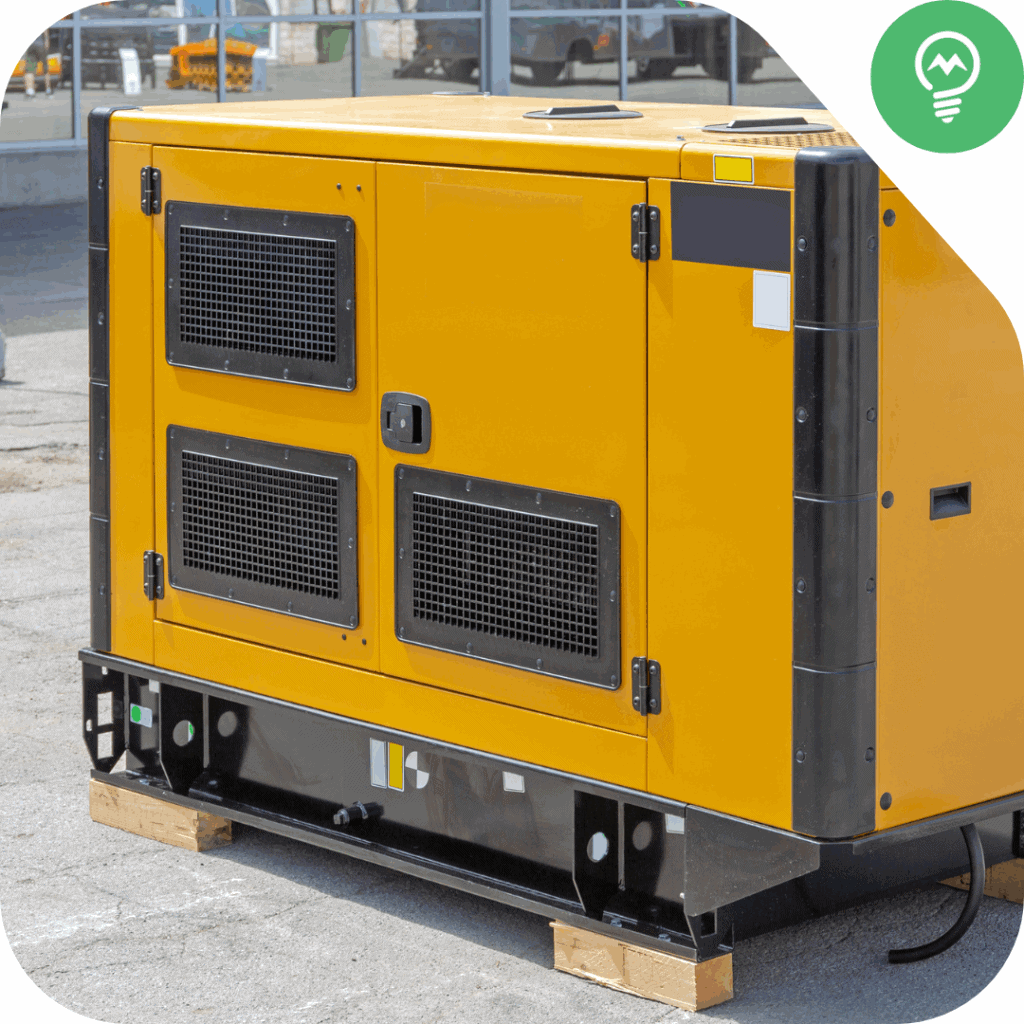
Whole house generator cost for most Triangle homeowners runs between $7,000 and $18,000 installed, with the typical standby system landing around $10,000 to $14,000 once you include the generator, the transfer switch, the gas hookup, and the electrical work. The unit itself is only part of the price. The rest is the professional installation that ties it safely into your home and your fuel supply.
Below we break down every piece so you know exactly what goes into that number before you buy.
As a licensed electrical contractor serving Raleigh and the wider Triangle, we install standby generators that keep the lights, heat, and refrigerator running when storms knock out the grid. We believe the price should be clear and the sizing should be right, so here is what shapes the cost, how to size your system, and what it really takes to power your home through an outage.
Quick takeaways:
- A whole-house standby generator installed in the Triangle usually costs $7,000 to $18,000, often near $12,000.
- The generator unit is $3,000 to $7,000; installation, transfer switch, and gas work make up the rest.
- System size in kilowatts is the biggest price driver, so right-sizing matters.
- Natural gas and propane both work; your existing fuel supply often decides which is cheaper.
- A permit, a transfer switch, and an inspection are required for a safe, legal install.
How Much Does a Whole House Generator Cost in 2026?
A whole-house generator costs $7,000 to $18,000 installed, and the size of the unit in kilowatts is the single biggest factor. A smaller air-cooled unit that powers your essentials sits at the low end. A larger liquid-cooled unit that runs your entire home, including central air and an electric range at the same time, sits at the high end.
Here is how a typical installed price breaks down:
| Cost component | Typical Triangle range | What drives it |
|---|---|---|
| Generator unit | $3,000 to $7,000 | Size in kilowatts, brand, cooling type |
| Automatic transfer switch | $500 to $1,500 | Whole home vs essential circuits |
| Electrical installation | $2,000 to $5,000 | Panel work, wiring, mounting pad |
| Gas line and fuel hookup | $1,000 to $3,000 | Distance to gas meter or propane tank |
| Permit and inspection | $100 to $500 | Your county or city fees |
Most Triangle homes that want true whole-house backup land between $10,000 and $14,000. Homes that only need to keep essentials running, such as the furnace, fridge, well pump, and a few outlets, can come in lower with a smaller unit and an essential circuits transfer switch.
Before you commit, get a written quote that lists each line item and the generator size. We provide free quotes on every home generator installation in the Triangle, so the price is clear from the start. Call us at 919-229-9778 or request your free quote and we will size the system to your home and give you a real number.
What Affects the Cost of a Whole House Generator?
Four factors decide where your generator lands in that range, and most come down to how much of your home you want to power and how your home is set up for fuel and electrical work.
Generator Size in Kilowatts
Bigger generators cost more because they use larger engines and heavier components. A 14 to 18 kilowatt unit covers the essentials and some comfort loads for many homes. A 22 to 26-kilowatt unit can run a larger home with central air. Going bigger than you need wastes money, which is why right-sizing comes first.
Transfer Switch Type
An automatic transfer switch senses an outage and starts the generator within seconds, with no flipping switches in the dark. A whole home transfer switch costs more than an essential circuits switch because it manages your entire panel. We help you choose based on what you want to keep running.
Fuel Type and Gas Line Work
If your home already has natural gas, tying the generator into that line is usually straightforward. If you use propane, the tank size and distance affect the cost. The farther the generator sits from the gas source, the more line work the job needs.
Electrical and Site Preparation
The generator needs a level pad, a safe clearance from windows and doors, and wiring back to your panel. A simple location near the panel and gas meter keeps costs down. A spot across the yard adds wire, conduit, and labor.
What Size Whole House Generator Do You Need?
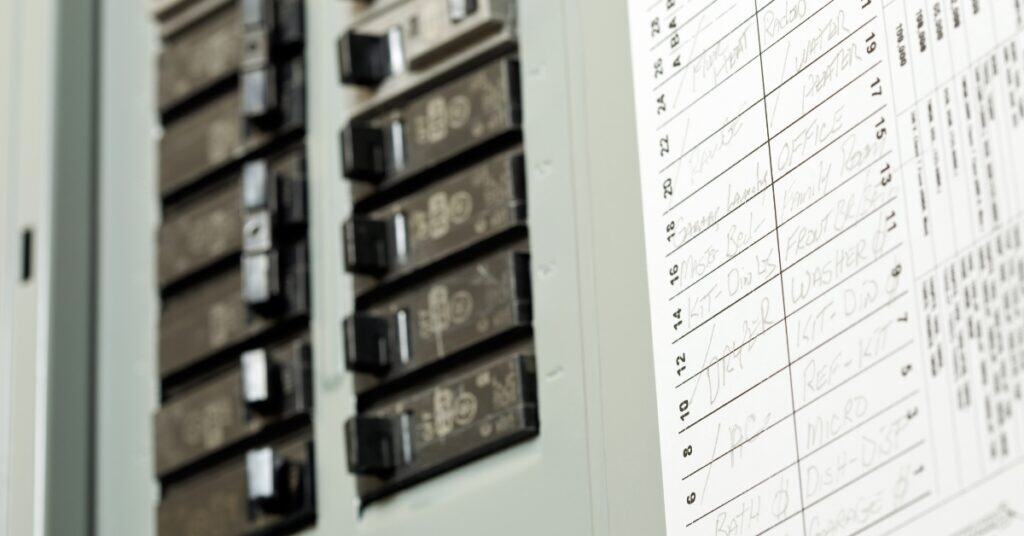
Most Triangle homes are well served by an 18 to 24-kilowatt standby generator, but the right size depends on what you want to power at the same time. The goal is a unit large enough to carry your loads without paying for capacity you will never use.
A simple way to think about sizing:
- Essentials only: a 10 to 14 kilowatt unit can run your furnace fan, refrigerator, well pump, and key outlets.
- Essentials plus comfort: an 18 to 22 kilowatt unit adds central air or heat and more to the house.
- Whole home: a 24-kilowatt or larger unit runs nearly everything at once in a typical home.
The big draws in a home are central air conditioning, electric heat, electric water heaters, and electric ranges. We calculate your actual loads during a free assessment so you get a generator that starts your air conditioner without straining and never leaves you short.
Natural Gas vs Propane: Which Costs Less to Run?
Natural gas is usually cheaper to run and more convenient because it feeds from your utility line with no tank to refill, while propane is the practical choice for homes without natural gas service. Both fuels power standby generators reliably, so the better option often comes down to what is already available at your home.
Here is how they compare:
- Natural gas: a continuous supply from the utility, no refills, and typically lower fuel cost per hour of running.
- Propane: stores energy densely and works anywhere, but you manage tank levels and refills, and the price can vary.
- Either way: a standby generator sips fuel compared to running your whole home on grid power, since it only runs during outages.
Many Triangle neighborhoods have natural gas at the street, which makes it a simple pick. For rural homes and those already on propane, a propane generator pairs neatly with the tank you have.
Does a Whole House Generator Need a Permit and Inspection?
Yes, a whole house generator needs both an electrical permit and, in most cases, a gas permit, plus an inspection before it goes into service. Connecting a generator to your home wiring and your fuel supply is regulated work that protects you, your family, and the utility crews who repair the grid during an outage.
A proper install includes an automatic transfer switch that isolates your home from the grid when the generator runs. Without it, power can backfeed onto utility lines and put line workers at risk, which is why code requires a licensed electrician and an inspection. When we install your generator, we pull the permits, install the transfer switch, and schedule the inspection so the system is safe and legal from day one. You can learn more about our approach on our generator installation page.
How Much Does It Cost to Run a Whole House Generator?
A whole-house generator costs roughly $5 to $20 in fuel for each day it runs during an outage, depending on the size of the unit, the load, and your fuel price. Because a standby generator only runs when the grid is down, your real yearly cost is small unless you face frequent or long outages.
Two ongoing costs are worth planning for:
- Fuel during outages: natural gas keeps this low and steady; propane depends on your tank price.
- Annual maintenance: a yearly service that checks the oil, battery, and connections, keeps the unit ready, and protects the warranty.
Compared with the cost of spoiled food, frozen pipes, a flooded basement from a dead sump pump, or a hotel stay during a multi-day outage, a standby generator often pays for itself the first time a major storm hits the Triangle.
Is a Whole House Generator Worth the Cost?
For many Triangle homeowners, a whole house generator is worth the cost because it protects your home and comfort during the storms and outages this region sees every year. Whether it makes sense for you depends on how much an outage disrupts your household and what you need to keep running.
A standby generator is often worth it when:
- You rely on medical equipment, a home office, or a well pump that needs power.
- You have a sump pump, a full freezer, or pipes that can freeze in a winter outage.
- You want your home to simply keep working when the grid does not, with no cords or manual switches.
It also adds resale appeal, since a permitted, professionally installed standby system is a feature many buyers value. The key is sizing it correctly and installing it to code, which is exactly what we do.
Frequently Asked Questions
How long can a whole-house generator run continuously?
A standby generator on natural gas can run for days because it draws from your utility line with no tank to empty. On propane, run time depends on your tank size, so larger tanks give you longer coverage during an extended outage.
Where does a whole house generator get installed?
A standby generator sits outside on a level pad, a safe distance from windows, doors, and vents, and near your gas source and electrical panel when possible. We choose a location that meets code clearances and keeps the wire and gas runs efficient, which also helps control the cost.
How often does a standby generator need maintenance?
A whole house generator needs a service about once a year, plus a quick self test it runs on its own each week. Annual maintenance checks the oil, battery, and connections so the unit starts reliably when you need it and keeps its warranty intact.
Will a generator power my central air conditioning?
Yes, a correctly sized standby generator can start and run central air conditioning, which is one reason sizing matters so much in our climate. We calculate your air conditioner startup load during the assessment so the generator handles it without strain.
Can I add a generator to my existing electrical panel?
In most cases yes, a generator ties into your existing panel through an automatic transfer switch, and many Triangle homes are ready for one. If your panel is older or full, we may recommend a panel upgrade first so the system is safe and has the capacity it needs.
Get a Clear Whole House Generator Quote
We make backup power simple for Triangle homeowners: a free assessment, the right generator size for your home, a clean and code compliant install, and an inspection that passes the first time. As a licensed, locally trusted electrical contractor with 15 years serving Raleigh, Cary, Durham, and the surrounding communities, we make sure your home keeps running when the grid does not.
Want to stop worrying about the next outage? Call us at 919-229-9778 or request your free quote today, and we will size a whole house generator for your home and give you a clear installed cost.