

Flickering lights in house wiring usually trace back to a loose bulb, a mismatched dimmer, or a loose connection. Only the last one needs urgent attention. A single flickering bulb is almost always a bulb problem. Lights that flicker in several rooms point to wiring, a breaker, or the service line.
We see this question all the time from homeowners and business owners across Raleigh, Cary, Durham, and the surrounding Triangle. The good news is that you can sort the harmless causes from the serious ones in about ten minutes.
What Can You Do Today?
- Tighten the bulb gently by hand with the switch off and the bulb cool.
- Swap the flickering bulb into a lamp that works well, and see if the problem follows the bulb.
- Note whether the flicker happens in one fixture, one room, or the whole house.
- Write down what else runs when the lights flicker, such as the air conditioner, dryer, or microwave.
- Call an electrician right away if you smell burning, hear buzzing, or find a warm switch or outlet.
Why Are Your Lights Flickering All of a Sudden?

Sudden flickering usually has one of five causes. Those are a loose bulb, the wrong bulb for the fixture, a dimmer that does not match the bulb, a worn switch, or a loose wire connection. The first three are cheap fixes. The last two need a closer look.
The pattern tells you more than the symptom. A light that flickers only when you touch the fixture suggests a loose socket or bulb. A light that flickers at random suggests a connection that comes and goes.
The Bulb Is the Most Common Culprit
A bulb that sits slightly loose breaks contact for a split second. You see that as a flicker. Bulbs near the end of their life also pulse, especially older fluorescent tubes and some budget LED bulbs.
The Switch or Socket Is Worn
Switches wear out from years of use, and the metal contacts inside lose their grip. A socket can also scorch or corrode, which makes the contact between the bulb and the wiring unreliable.
A Wire Connection Is Loose
Wires connect inside switch boxes, outlet boxes, and the fixture itself. If one of those connections loosens, the current jumps across a tiny gap, and the light flickers as it does.
This is the cause that deserves respect. A loose connection can heat up over time, which is why we never treat it as a cosmetic problem.
Is a Flickering Light Dangerous?
A flickering light is dangerous when a loose or damaged wire causes it. It is harmless when a worn out bulb causes it. You cannot tell the two apart by looking. Check the simple causes first, then call a professional if the flicker continues.
The Electrical Safety Foundation International lists flickering or dimming lights among the warning signs of a serious wiring problem. Its advice is simple: when you are unsure, have a qualified electrician inspect your home.
The stakes are real. The U.S. Fire Administration estimates that electrical malfunctions caused 23,700 residential building fires in 2023, with 305 deaths and 800 injuries. Not every one of those fires started with a flicker. Loose connections and failing wiring sit behind many of them.
Warning Signs That Raise the Urgency
- A burning or hot plastic smell near a switch, outlet, or fixture.
- A buzzing, crackling, or sizzling sound from the wall.
- A switch plate or outlet cover that feels warm to the touch.
- Scorch marks or discoloration around a fixture, switch, or outlet.
- A breaker that trips every time the flicker happens.
If you notice any of these, turn off the circuit at the panel if you can do so safely. Then call us, because these signs mean heat is building somewhere you cannot see.
How Can You Tell a Bulb Problem From a Wiring Problem?
Move the bulb and watch what happens. If the flicker follows the bulb to a different lamp, the bulb is the problem. If it stays in the original fixture, the fixture or the wiring is the problem.
The table below shows how the common patterns line up with their likely causes. Use it as a starting point, not a final diagnosis.
| What You Notice | Most Likely Cause | Who Should Fix It |
|---|---|---|
| One bulb flickers, and the problem moves with the bulb | Bad or loose bulb | You can handle it |
| One fixture flickers with different bulbs | Worn socket or loose fixture wiring | An electrician |
| Lights flicker only on a dimmer | Dimmer and bulb mismatch | You, or an electrician if swapping bulbs does not help |
| Lights dim when a large appliance starts | Heavy load on a shared circuit or an undersized service | An electrician |
| Several rooms flicker at random | Loose connection at a breaker, panel, or splice | An electrician right away |
| The whole house flickers or surges | Problem with the service line, meter, or neutral connection | An electrician and the utility |
Why Do Lights Flicker When an Appliance Turns On?
Lights dim for a moment when a large appliance starts because the motor pulls a surge of current. That surge pulls the voltage down briefly. A short, mild dip is normal on a busy circuit. A deep or repeated dip means the circuit is overloaded or a connection is weak.
Air conditioners, dryers, refrigerators, well pumps, and space heaters are the usual triggers. We hear about this most during the summer air conditioning season in the Triangle.
When a Brief Dip Is Normal
Many homes show a quick, slight dim when the compressor on an air conditioner kicks on. If it lasts a fraction of a second and nothing else seems off, the circuit is probably handling the load.
When the Dip Signals a Problem
Call an electrician if the lights dim hard, stay dim, or flicker for several seconds. Do the same if the dip gets worse over months. That trend points to a connection that is slowly failing.
Sharing a circuit is a common reason. Lights and a large appliance on the same breaker compete for power. A dedicated circuit for the appliance solves the problem cleanly.
Why Do LED Bulbs and Dimmers Flicker?
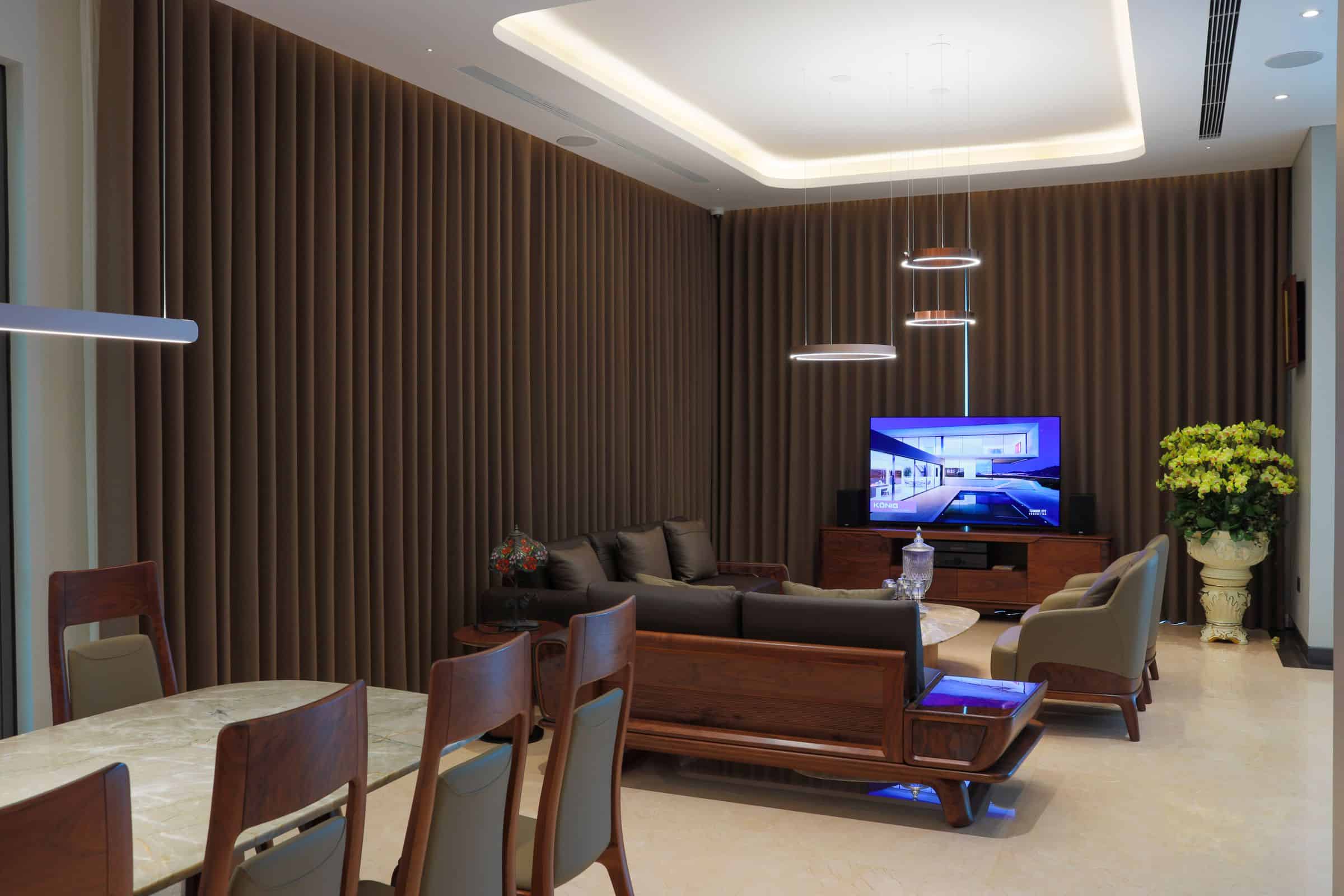
LED bulbs flicker on dimmers when the dimmer was built for old incandescent bulbs. It cannot control the low power draw of an LED. The fix is usually a dimmer rated for LEDs, or a bulb labeled as dimmable.
Two details matter here. First, the bulb package must say dimmable, and second, the dimmer should list LED compatibility.
Common LED and Dimmer Fixes
- Replace an old dimmer with one rated for LED loads.
- Use the same brand and model of bulb across a fixture, because mixed bulbs react differently.
- Check that the total bulb wattage meets the minimum load the dimmer needs.
- Replace cheap bulbs that flicker even at full brightness.
- Avoid mixing dimmable and non dimmable bulbs on the same switch.
If a quality dimmer and matching bulbs still flicker, the issue may sit in the wiring behind the switch. Then you want an electrician to open the box and look.
What If Only One Room Flickers, or the Whole House?
Where the flicker shows up tells you how far back the problem sits. One fixture points to the fixture. One room points to a circuit. The whole house points to the panel or the service from the street.
| Where It Flickers | What It Usually Means | Typical Next Step |
|---|---|---|
| One fixture | Bulb, socket, or fixture wiring | Swap the bulb, then call if it continues |
| One room | Loose connection on that circuit or a worn switch | Electrician inspects the circuit |
| Several rooms on one breaker | Loose connection at the breaker or a shared splice | Electrician checks the breaker and wiring |
| Whole house, constantly | Loose main connection, failing neutral, or a utility issue | Electrician right away, and the utility if needed |
| Whole house, only during storms or outages | Utility voltage swings | Report to the utility |
The Panel Connection
Breakers clamp onto metal bars inside your panel, and those connections can loosen or burn over decades. A loose breaker lug or a damaged bus bar causes flickering that moves around the house with no pattern.
If your panel is old, noisy, or warm, ask us about an evaluation. Our panel and safety team can check whether the panel is the source or just a bystander.
Older Homes Deserve Extra Attention
Homes with older wiring have had decades of heating, cooling, and vibration working on every connection. Some Triangle homes still carry aluminum wiring or very old splices that loosen more easily than modern copper work.
What Can You Safely Check Yourself?
You can safely check bulbs, dimmers, and plug in lamps, and nothing more. Anything that requires removing a cover plate, opening a fixture, or touching a wire belongs to a licensed electrician.
- Turn the switch off and let the bulb cool, then tighten it by hand.
- Replace the bulb with a new one that matches the fixture rating.
- Try the same bulb in a different lamp to see if it still flickers.
- If the light uses a dimmer, set it to full brightness and see if the flicker stops.
- Turn off any large appliance that runs when the flicker starts and watch for a change.
- Write down the time, room, and any appliance that runs, so you can describe the pattern.
That log helps more than most people expect. Say the flicker happens in the kitchen at four in the afternoon when the oven and dishwasher run. We start narrowing the cause before we arrive.
What Should You Never Do?
Never open a switch, outlet, or panel cover to tighten wires yourself. Never ignore a flicker that comes with heat or a burning smell. Electricity gives no second chances, and a loose wire often hides behind a perfectly normal looking plate.
- Do not remove a panel cover, even if the breaker looks loose.
- Do not keep using a switch or outlet that feels warm.
- Do not put a higher wattage bulb in the fixture to fix dim lights.
- Do not reset a tripping breaker over and over without finding out why it trips.
- Do not wait for the flicker to get worse before you make the call.
How Do Electricians Find the Cause of Flickering Lights?
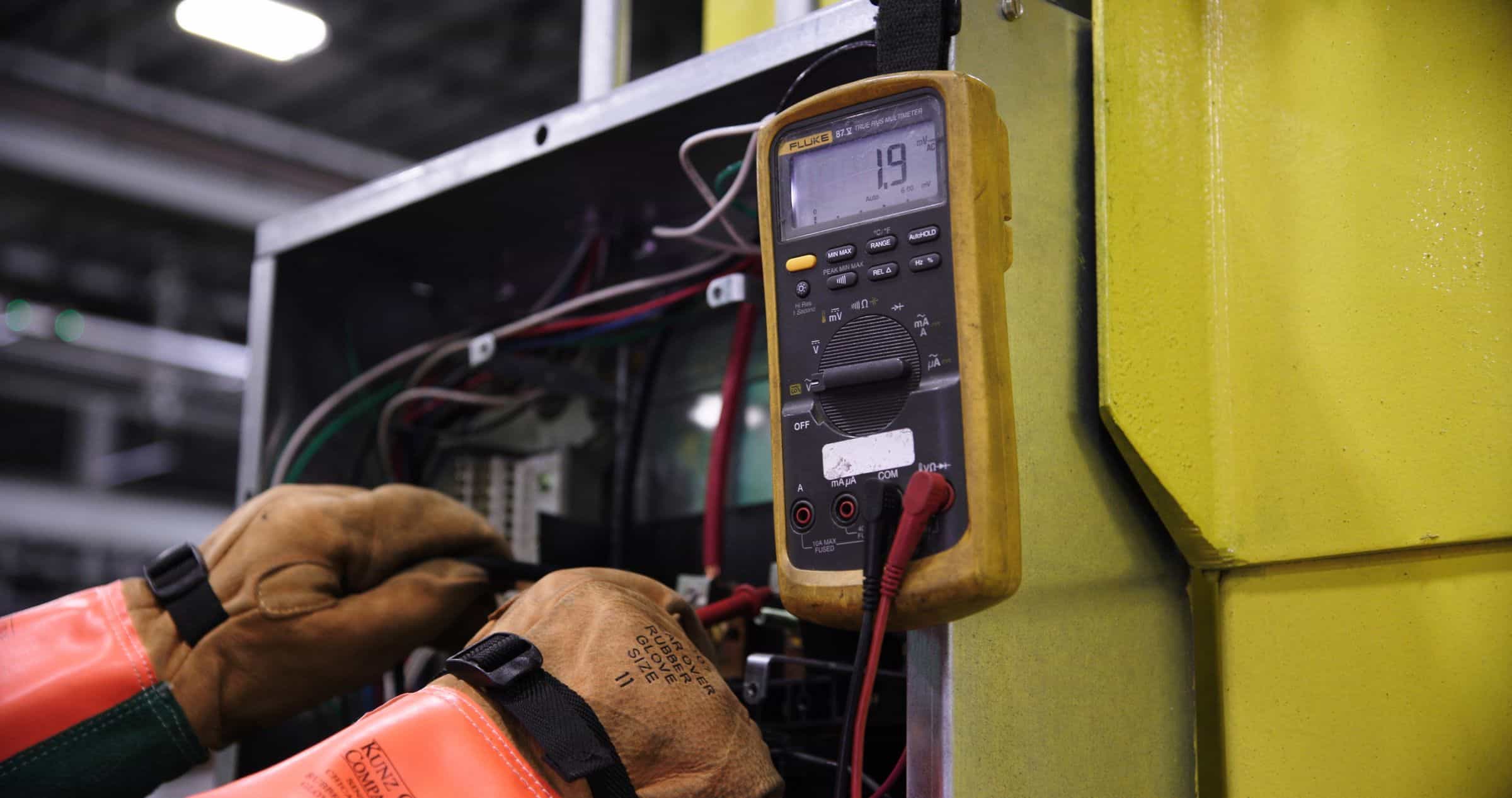
An electrician works from the simplest cause to the deepest one. We check the bulb, then the switch, then the circuit, then the panel, and finally the service. That order saves you money, because the fix often shows up early in the process.
| Step | What We Check | What It Tells Us |
|---|---|---|
| 1. Interview | When, where, and how often the flicker happens | Points us toward a circuit or the whole house |
| 2. Fixture and bulb | Socket condition, bulb type, and dimmer rating | Rules out the cheap causes first |
| 3. Switches and outlets | Tightness of terminals and signs of heat | Finds worn devices and loose wires |
| 4. Circuit testing | Voltage under load at the affected circuit | Shows weak connections that hide at rest |
| 5. Panel and main | Breaker connections, bus bars, and the main lugs | Finds heat damage and loose lugs |
| 6. Service and meter | Voltage at the meter and the neutral connection | Separates our problem from the utility problem |
Every step uses real measurements rather than guesses. Voltage readings taken while a load runs reveal weak connections that look perfectly fine when the power is idle.
What Affects the Cost of Fixing Flickering Lights?
The cost depends on where the problem lives. A bulb or dimmer swap is inexpensive. A new switch or fixture sits in the middle. Panel or service repairs take the most time and materials.
Three things drive the price. Those are how many connections we need to open, how hard the wiring is to reach, and whether the repair needs a permit or inspection. We walk you through those details before any work starts. We also offer a free estimate so you can compare options.
Frequently Asked Questions
Why are my lights flickering in just one room?
A single room usually points to a worn switch, a loose connection, or a circuit problem. Start by swapping the bulb. Call an electrician if the flicker stays.
Is it normal for lights to flicker when the air conditioner turns on?
A very brief, slight dim is common because the compressor draws a surge of power. A deep dip, a long dip, or a dip that keeps getting worse needs an inspection.
Can flickering lights cause a fire?
They can when a loose or damaged wire is the cause, because a poor connection builds heat. A flickering bulb on its own is harmless, which is why finding the cause matters.
Why do my LED lights flicker when I dim them?
The dimmer often suits older bulbs and cannot control the low draw of an LED. Switching to a dimmer rated for LEDs and a dimmable bulb usually fixes it.
How do I know if flickering lights mean a bad breaker or panel?
Flickering that moves around the house or shows up in several rooms suggests a panel connection. So does a breaker that runs hot, buzzes, or trips. A panel inspection by a licensed electrician is the right next step.
How much does it cost to fix flickering lights?
The price depends on the cause. It ranges from a low cost bulb or dimmer swap to a larger panel or service repair. We provide a free estimate once we know where the problem lives.
How Does M Power Electric Help With Flickering Lights?
We trace flickering to its source and fix the cause, not just the symptom. We have more than 15 years of work across Raleigh, Cary, Durham, Wake Forest, Holly Springs, Apex, Garner, Clayton, and Fuquay Varina. We have seen nearly every version of this problem.
Clear Answers Before the Work Begins
Our licensed and insured team tests the circuit, explains what we find in plain language, and gives you upfront pricing. Our indoor electrical services cover switches, outlets, fixtures, and circuits. We handle permits and inspections when the job calls for them.
Free Help While We Are Already There
Every service visit includes a free outlet and switch inspection. You learn what else is going on behind your walls. You can also request a free estimate for any repair or upgrade we recommend.
Your Next Step
Do not wait for a flicker to turn into something worse. Call us at (919) 229-9778 or send a note through our contact page. We will get you on the calendar. If you want to learn more first, read about our electrical repair and troubleshooting.