

Energy bills in the Triangle keep climbing, so learning how to reduce energy usage at home matters more every month. With the right electrical choices, you can lower costs, stay safe, and get your home ready for things like EV charging and backup power.
From the wiring behind your walls to the lights over your kitchen table, every part of your electrical system plays a role in how much power you use.
As a licensed electrical contractor, M Power Electric sees every day how small upgrades and smarter lighting design create real savings without sacrificing comfort.
There is no need to overhaul your whole house or small business to make progress. By paying attention to how your lights, outlets, and major appliances work together, you can cut waste and keep your property running smoothly.
Our guide walks through practical, plain language steps you can take right away. It also shows where thoughtful electrical work and lighting design make the biggest difference for homes and businesses across the Triangle.
Practical Electrical Strategies To Reduce Energy Use
Start With A Simple Home Energy Checkup
Before you think about big upgrades, it helps to understand how you actually use power each day. A quick walk through your home or business can reveal easy wins.
Look for these common energy drains:
• Lights left on in empty rooms
• Old power strips loaded with devices
• Chargers plugged in all day and night
• TVs, game systems, or office gear running in the background
Pay attention to signs that your electrical system struggles to keep up. Those signs often point to both wasted energy and possible safety problems.
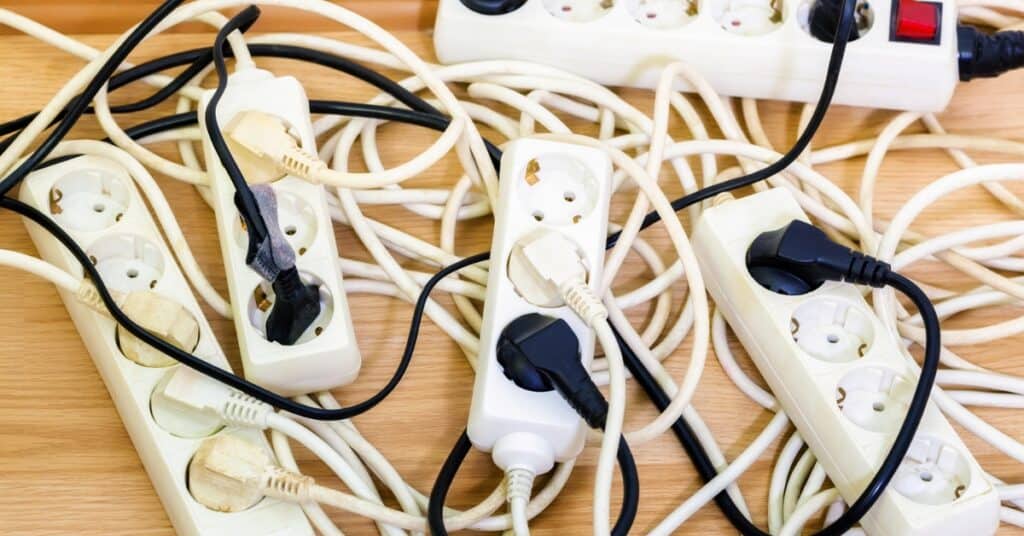
Common warning signs include:
• Flickering or dimming lights
• Warm or discolored outlets and switches
• Breakers that trip often
• Extension cords used as permanent wiring
Basic checks such as unplugging idle devices and turning off extra lights are simple steps you can handle.
For anything that involves the panel, wiring, or hot outlets, a licensed electrician should take a look so you do not risk shocks or fire.
Upgrade To LED Lighting For Instant Savings
Lighting is one of the quickest ways to cut your energy use without changing your daily habits. When you swap old bulbs for LEDs, savings often show up on the next bill.
LED bulbs use far less power than incandescent or halogen bulbs. They also last much longer, so you spend less time and money replacing them.
Here is a simple comparison:
• Incandescent bulb, uses a lot of energy, creates more heat, burns out quickly
• CFL bulb, uses less energy than incandescent, but contains small amounts of mercury
• LED bulb, uses the least energy, stays cool, lasts many years
You can start with the lights you use the most, such as:
• Kitchen ceiling and under cabinet lights
• Living room and family room fixtures
• Outdoor porch and security lights
• Office, shop, or storefront lighting
Thoughtful lighting design also helps you use fewer fixtures while keeping spaces bright and comfortable. That can mean targeted lighting where you work and softer, more flexible light in spaces where you relax.

Examples of helpful changes include:
• Adding focused task lighting over counters or desks
• Using dimmers to match light levels to the time of day
• Planning fixture locations so you do not flood a room with more light than you need
When efficient LEDs combine with the right layout, both comfort and energy performance improve. Over time, that approach reduces waste and extends the life of your fixtures and wiring.
If you live or work in Raleigh, Durham, Cary, Apex, Holly Springs, Wake Forest, or nearby communities in the Triangle, reach out for a free quote.
Call us at M Power Electric at 919.229.9778 or get in touch to start planning an electrical and lighting system that uses energy in a smarter, more sustainable way.
Use Smart Controls To Stop Wasting Power
Many homes and businesses waste energy simply because lights and devices stay on when no one needs them. Smart controls help you fix that problem without constant reminders or extra effort.
Some simple smart control options include:
• Smart switches that control lights from a phone or a wall switch
• Dimmers that reduce brightness and power draw
• Motion sensors in hallways, restrooms, garages, and storage rooms
• Smart plugs that shut off electronics on a schedule
These tools cut down on what people often call phantom load, where devices draw energy even when they are not in active use. A TV, cable box, game console, and sound bar can all sip power all night if they remain in standby mode.
Simple schedules can support strong savings, such as:
• Office lights that turn off automatically after closing time
• Outdoor lights that turn on at sunset and off at a set time
• Power strips that cut power to computer gear after work hours
Some smart controls are easy to plug in or screw in, which makes them good starter upgrades. Others need proper wiring and careful setup so the devices function safely and follow electrical code, especially in older buildings across the Triangle.
Make The Most Of Major Appliances And HVAC
Your biggest energy users often sit in plain sight. Heating and cooling systems, water heaters, ovens, clothes dryers, and refrigerators draw far more power than lamps or phone chargers.
Good habits can still trim that usage without losing comfort. Simple steps build up to steady savings over the course of a year.
Helpful day to day habits might include:
• Running dishwashers and washing machines with full loads
• Using cold water cycles when possible
• Air drying clothes when the weather cooperates
• Keeping filters clean on your HVAC system
From an electrical standpoint, major appliances should have dedicated circuits. That approach gives them their own path back to the panel, which helps them run more efficiently and reduces the chances of tripped breakers.
When you add new loads, such as an upgraded HVAC system, a tankless water heater, or shop equipment, the panel and circuits must have enough capacity.
An overloaded panel does more than trip breakers, it can cause heat buildup and wasted power as the system struggles to keep up.
Improve Your Home Electrical Backbone For Long Term Efficiency
Think of your electrical panel as the heart of the system. Every light, outlet, appliance, and charger pulls from that central point.
If the panel is outdated or crowded, everything else must work harder and less efficiently. That can show up as nuisance trips and also as subtle energy waste over time.
Common signs that your panel may need attention include:
• Frequent tripped breakers
• No room for new circuits
• A mix of very old and newer breakers
• Labels that do not match what they control
When a panel is updated or capacity is added, the entire system gains a more stable base. Properly sized and organized panels help distribute loads evenly, which supports both safety and energy performance.
This process often includes steps such as:
• Checking and tightening connections
• Balancing circuits across the panel
• Confirming that wire sizes match the loads they carry
• Making sure all components follow current electrical code
For many Triangle properties, this type of work reduces voltage drops and heat buildup. Equipment can then run closer to its designed performance, which supports better comfort and efficiency.
A panel with adequate capacity also leaves room for future additions such as EV chargers or a home generator. Planning ahead prevents patchwork fixes that strain the system and waste energy.
Cut Outdoor And Security Lighting Costs Without Losing Safety
Outdoor lights often run longer each day than any indoor fixture. Over a year, that extra run time can create a real impact on your energy use.
The positive side is that outdoor lighting also offers some of the best opportunities for savings. Efficient fixtures and controls keep your property secure while still trimming your bill.

Start by switching to LED for:
• Floodlights over driveways and parking areas
• Wall mounted lights and security fixtures
• Landscape and pathway lighting
• Porch and entry lights
LED outdoor fixtures handle weather well, provide bright light, and draw far less power than older bulb types. Longer life also means fewer ladder trips and less time spent on maintenance.
Control plays a big role outside too. Thoughtful timing can keep your property safe while avoiding all night use where it is not needed.
Helpful control options include:
• Motion sensors so lights come on only when people approach
• Dusk to dawn sensors that switch lights on at dark and off at sunrise
• Timers that keep accent lighting on only during key evening hours
Outdoor electrical work needs weather rated fixtures, boxes, and covers. That protection matters during strong Triangle storms because moisture and heat can damage unprotected wiring and cause both waste and hazards.
Plan Ahead For EV Chargers And Home Generators
More drivers across the Triangle switch to electric vehicles every year, and more property owners look at standby generators after severe storms and power outages.
Both upgrades can help you manage energy and stay comfortable, but they also add new demands to your electrical system.
- An EV charger, even a Level 2 charger, needs a dedicated circuit and the right capacity in the panel. Without that support, tripped breakers, slow charging, and strain on existing wiring can become regular problems.
- A home standby generator connects to your electrical system through a transfer device that shifts power safely during an outage. The goal is to support key circuits without backfeeding the grid or overloading your wiring.
Planning for these additions works best when you look at the whole system. That way the panel, circuits, and backup equipment all match how you live and work.

Thoughtful planning for EVs and generators allows you to:
• Decide which circuits should have backup power
• Confirm that your panel can handle both normal and backup loads
• Design a layout that supports efficient charging, even during high use times
When EVs, generators, and other upgrades fit into a bigger energy plan, you avoid quick fixes that overload the system. The result is a home or business that uses power in a more thoughtful and efficient way over the long term.
How M Power Electric Supports Energy Smart Homes And Businesses
Safer, Code Compliant Electrical Upgrades For Modern Living
M Power Electric focuses on electrical systems that support real life in the Triangle today. As a licensed contractor, the team designs and installs wiring, panels, and circuits that follow current code and match the loads in modern homes and small businesses.
Instead of adding one more breaker to an overcrowded panel, M Power Electric looks at how everything works together. That whole system view helps reduce unnecessary energy use, cut nuisance trips, and support a safer environment for families, staff, and customers.
Lighting Design That Improves Comfort And Lowers Bills
Thoughtful lighting design can do far more than brighten a room. With well planned LED fixtures, dimmers, and controls, many properties see better light quality with less power use.
M Power Electric works with the way each space functions day to day. That can include task lighting in kitchens and workshops, softer layered light in living rooms, and efficient security lighting that keeps entrances visible without wasting energy.
Planning For EV Chargers And Home Generators
If you already drive an EV or plan to make the switch, you want charging that feels simple and predictable. M Power Electric helps owners plan EV charger circuits and panel capacity so charging fits smoothly into normal routines at home or at a small business.
For backup power, the team designs generator connections that prioritize key circuits and keep the setup safe for crews, neighbors, and your own equipment. Resilient power during outages then supports comfort and business continuity without guessing what your system can handle.
Take The Next Step Toward An Energy Smart Home Or Business
You do not have to figure out every wire, breaker, and fixture on your own. M Power Electric is available to help you cut waste, stay safe, and prepare your property for what comes next, from EV charging to backup power. If you are planning upgrades, a lighting design and installation service can improve both efficiency and functionality across your space.
If you live or work in Raleigh, Durham, Cary, Apex, Holly Springs, Wake Forest, or nearby communities in the Triangle, reach out for a free quote.
Call us at M Power Electric at 919.229.9778 or get in touch to start planning an electrical and lighting system that uses energy in a smarter, more sustainable way.