

If you drive an electric vehicle in North Carolina, a Level 2 home EV charger installation can completely change how you live with your car. Instead of planning your day around public stations, you plug in at home in the Triangle and wake up ready to go.
More people across Raleigh, Cary, Durham, and nearby communities choose electric vehicles every month, and home charging is quickly becoming the norm. When you understand how Level 2 charging works, you can decide what makes sense for your home, your parking setup, and your daily routine.
In this blog, the focus stays on what a Level 2 charger is in clear, simple language. You see what to expect from the installation process in North Carolina, what affects cost, and how to keep everything safe and up to code.
Home charging also connects to bigger goals such as energy independence, convenience, and long term property value. By the end, you feel more confident about your next steps and know what to look for when you are ready to move forward.
Understanding Level 2 Home EV Charging In North Carolina
What A Level 2 Home EV Charger Actually Is
A Level 2 charger uses a 240 volt circuit, which is similar to what powers an electric dryer or oven. That extra power lets your electric vehicle charge much faster than the basic cord that plugs into a standard wall outlet.
With a Level 1 charger, an empty battery can take most of a day or all night to fill. With a Level 2 setup in your Raleigh, Cary, or Durham home, a full charge usually happens overnight, and a large boost can happen in just a few hours.
How Level 2 Compares To Level 1 In Real Life
Level 1 charging feels like filling a swimming pool with a garden hose. Level 2 feels more like using a wider and stronger stream of water.
In everyday terms, the difference looks like this:
- Level 1 works best if you barely drive or only top off a plug in hybrid.
- Level 2 works better if you commute, run errands, or drive across the Triangle often.
- Level 1 usually adds only a few miles of range per hour.
- Level 2 commonly adds 20 to 40 miles of range per hour, depending on your electric vehicle and setup.
Why Level 2 Charging Fits Triangle Homes And Small Businesses
If you live in the Triangle, you likely drive more than just a few miles each day. Trips between Raleigh and Durham or Cary and Apex can add up fast, especially when you mix in school runs, errands, or job sites.
Level 2 charging helps you:
- Come home, plug in, and start the next day with usable range available.
- Avoid relying on public chargers at busy times or in bad weather.
- Keep work vehicles or small business cars ready without sending someone out just to charge them.
Benefits Of A Level 2 Home EV Charger In NC
Convenience For Everyday Driving
With a Level 2 home EV charger installation, your car charges while you sleep, eat dinner, or relax. Charging becomes a background task rather than a separate errand that interrupts your day.
That routine makes a big difference if you drive often around the Triangle. It can support commuting, school runs, shared vehicles, and regular trips between towns without constant planning.
Less Dependence On Public Charging
Public chargers help in many situations, but you never fully control when they are open, busy, or out of service. When a reliable charger sits at your home or small business, public stations become a backup instead of the main plan.
This is especially helpful if you:
- Live farther from major highways or downtown hubs.
- Park in a garage or driveway where a charger is easy to reach.
- Run a business that cannot afford downtime while a vehicle sits at a public station.

Added Appeal And Property Value Potential
More buyers in North Carolina now look for electric vehicle ready homes and rental properties. When you already have a Level 2 charger, your property feels ready for the way people travel today.
A code compliant installation can:
- Help your listing stand out in a competitive market.
- Attract tenants who drive electric vehicles.
- Add a clear and practical upgrade to your home or small commercial building.
Is Your Home Or Small Business Ready For Level 2 Charging
Basic Electrical Capacity In Simple Terms
A Level 2 charger typically needs a dedicated 240 volt circuit. That circuit starts at your main electrical panel and runs to the charger location.
To support that, you need:
- Enough open capacity in your panel for a new breaker.
- Wiring that matches the charger power level and distance.
- A panel that is in good condition and that follows current code.
Common Situations In Triangle Homes
Homes around Raleigh, Cary, and Durham come in many ages and layouts. Your situation may look like one of these:
- Newer homes often have more panel capacity and shorter wire runs to an attached garage.
- Older homes may need panel upgrades or careful planning, especially if you already added heavy appliances such as hot tubs or large HVAC systems.
- Townhomes and condos sometimes require coordination with a property manager or association.
- Driveway charging can use an exterior wall mount that faces your normal parking spot.
If you run a small business, you may see additional factors, such as:
- Longer wire runs from a central panel to outdoor parking.
- Multiple vehicles that share one or more chargers.
- A mix of employee, customer, and fleet parking spaces.
M Power Electric is ready to help you plan your EV charger setup. We walk you through options, look at your panel, and explain what makes sense for your property in plain language.
To get started, call M Power Electric at 919.229.9778 for free quotes and a straightforward conversation about your Level 2 home EV charger installation in the Triangle.
The Level 2 Home EV Charger Installation Process In NC
Step 1: Site Visit And Safety Check
Before anyone installs a charger, a licensed electrician should walk your property. This visit helps identify the safest and most practical location and helps confirm what your electrical system can handle.
During a site visit in the Triangle, you can expect:
- A quick review of your main panel and any subpanels.
- Questions about where you park and how you use your electric vehicle.
- A look at wall types, existing wiring paths, and outdoor exposure.
Step 2: Choosing The Right Charger For Your Needs
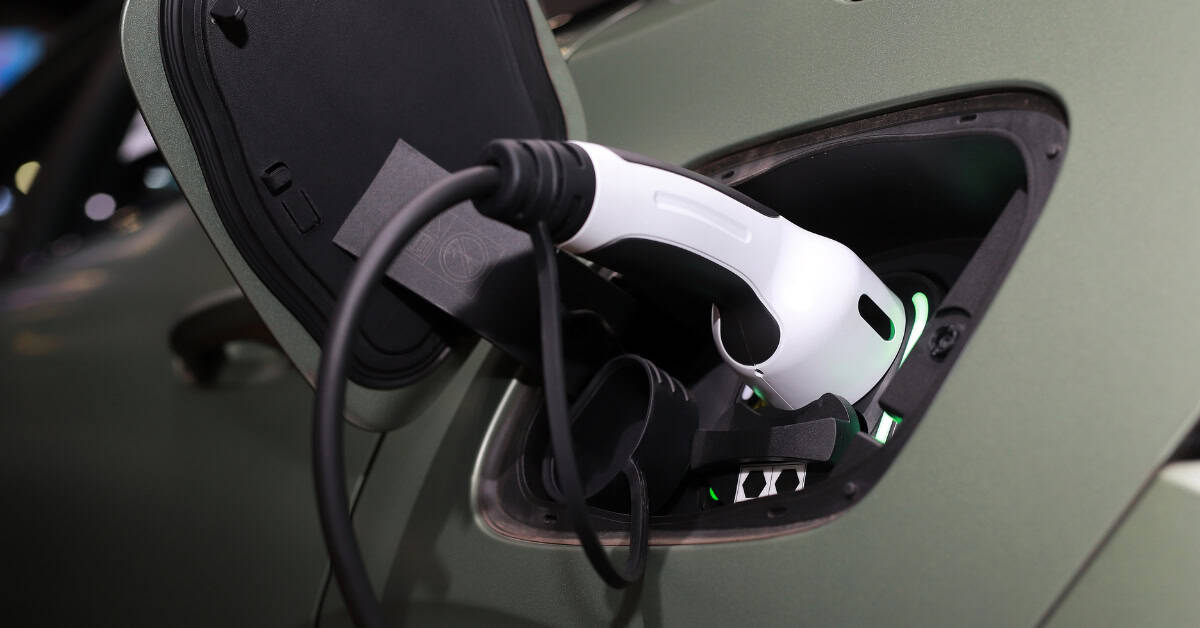
Not every Level 2 charger looks or works the same. Some plug into a 240 volt outlet, while others are hardwired directly to your electrical system.
A good match takes into account:
- Your electric vehicle maximum charging rate.
- Whether you park indoors or outdoors.
- How many electric vehicles may share the charger now or later.
- Whether you prefer a simple plug in unit or one with app controls.
There is no need to chase every possible feature. A solid, code compliant charger that fits your habits often works better than a complex unit that you never fully use.
Step 3: Permits, Codes, And Inspections In North Carolina
In North Carolina, EV charger installations typically need an electrical permit and an inspection. This process helps protect you, your property, and anyone who uses the charger.
A code compliant installation in the Triangle follows:
- The National Electrical Code as adopted in North Carolina.
- Any local rules from cities or counties, such as Raleigh or Durham.
- Utility requirements where they apply.
An inspection gives you proof that the work meets current standards. That proof can help during future home sales, insurance reviews, or refinance checks.
Step 4: What Happens On Installation Day
On installation day, the work follows a clear pattern. The steps are usually simple for you to follow and understand.
The process often looks like this:
- Turning off power at the panel for the circuits being worked on.
- Installing a new breaker and running wiring to the charger location.
- Mounting the charger on a wall or post, indoors or outside.
- Sealing and protecting any exterior openings.
- Labeling the new breaker in your panel.
Most residential installs in the Triangle finish in a single day, unless major panel upgrades or long underground runs are involved. Small business installs with multiple chargers can take longer, although the basic steps stay similar.
Step 5: Testing And First Use
Once the charger is mounted and wired, the electrician restores power and tests the system. Your electric vehicle becomes the final proof that everything works as intended.
You typically walk through:
- Plugging in and confirming the car starts charging.
- Understanding the basic indicator lights or simple app controls.
- Tips for coiling and storing the cord so it stays in good shape.
- Any panel labels so you know which breaker controls the charger.
Cost, Incentives, And Long Term Value In North Carolina
What Affects The Cost Of A Level 2 Installation
Costs vary from home to home, but they usually center on three main pieces. One is the charger itself, one is the electrical work, and one is any needed upgrades or materials.
Electrical costs often change based on:
- Distance from the panel to the charger location.
- Whether the route is open, such as an unfinished basement, or closed behind finished walls.
- Need for panel upgrades or load management solutions.
- Outdoor versus indoor mounting and the level of weather protection.
In a typical Triangle home with an attached garage and a panel in a convenient spot, installation tends to be simpler and more affordable. Long runs across finished spaces or to detached buildings usually cost more.
Possible Incentives And Utility Programs In NC
Incentives change over time, but you may see some mix of savings options. Many of these focus on clean transportation and smart energy use.
Common possibilities include:
- Utility rebates for installing a qualifying Level 2 charger.
- Time of use electric rates that reward off peak charging.
- Occasional state or local programs that encourage electric vehicles.
It helps to keep receipts and documentation from your installation. Having a properly permitted and inspected installation also supports eligibility when programs require proof of compliance.
How A Level 2 Charger Pays Off Over Time
Even when you pay for installation up front, long term value can build steadily. The benefits show up in both your wallet and your daily schedule.
A Level 2 setup can support:
- Lower fuel cost per mile compared to a gas vehicle.
- Less time spent at public chargers.
- Fewer last minute range worries or detours.
- Stronger appeal for future buyers or tenants who drive electric vehicles.
If you have more than one electric vehicle or plan to add another, a thoughtful Level 2 setup becomes even more helpful. You already have a foundation in place for future upgrades.
Safety And Reliability For Level 2 Charging
Risks Of DIY Or Unpermitted Work
Electric vehicle chargers draw significant power for long periods of time. That load needs the correct wiring size, breaker size, and grounding to stay safe.
Do it yourself or unpermitted installations can create serious problems, such as:
- Overheated wires inside walls.
- Frequent breaker trips and hidden damage.
- Fire and shock hazards.
- Issues with insurance claims or home inspections.
What A Safe, Code Compliant Installation Looks Like
A safe EV charger installation feels simple to live with, even if the planning behind it is detailed. In plain terms, a good setup should look clean and intentional.
You should see:
- A charger mounted solidly on a wall or post.
- A neat wiring route with secure supports.
- A clearly labeled breaker in your panel.
- Weather rated equipment for outdoor chargers.
- No loose cords stretched across walkways or drive lanes.
Everything should be easy to understand when you open your panel or look at the charger. If someone else buys your home later, that clarity helps them feel confident as well.

Basic Care For Your Level 2 Charger
Most Level 2 chargers need very little attention once installed. A few simple habits keep things working well.
Helpful habits include:
- Keeping the cord off the ground when possible to avoid damage.
- Doing a quick visual check now and then for cracks, wear, or loose parts.
- Avoiding driving over the cord or pinching it in doors.
- Calling a licensed electrician if you notice heat, odor, or behavior that feels unusual.
Outdoor chargers in the Triangle see heat, humidity, pollen, and storms. A quick wipe down sometimes and keeping the unit clear of debris can help extend its life.
Planning For The Future
Electric vehicle technology continues to grow across North Carolina. When you install a Level 2 charger with the future in mind, you leave room for more options later.
Future friendly planning can include:
- Panel space reserved for a second charger.
- Charger locations that work for different vehicle sizes and parking styles.
- Conduit sized so you can upgrade wiring without opening walls again.
- Placement that fits with possible driveway changes or garage projects.
With that kind of setup, your Level 2 home EV charger installation becomes more than a quick convenience. It turns into part of a broader and flexible electrical plan for your home or small business in the Triangle.
Bringing Level 2 Charging Home In The Triangle
Staying Charged And Confident In Your EV
When you add a Level 2 home EV charger installation, daily driving in the Triangle feels simpler and calmer. You park, plug in, and start the next day with reliable range instead of watching charge percentages at public stations.
Your charging routine supports your schedule instead of controlling it. That kind of control over charging can make electric vehicle ownership feel easy, predictable, and much less stressful.
Supporting A Smarter, Safer Electrical Setup
A well planned EV charger does more than power your car. It becomes part of a safe, code compliant electrical system that supports your long term plans for your home or small business.
When everything is installed correctly, you help protect your property, your family, and your vehicles. You also lay the groundwork for future improvements such as backup power or additional chargers.
Why Local Licensed Help Matters In NC
In the Raleigh and Durham area, you deal with specific codes, inspectors, and utility rules. When we handle your project at M Power Electric, you work with a local licensed team that works under those requirements every day.
We focus on clear communication, clean work, and practical solutions that fit how you actually live and work. The goal is for you to feel informed at every step, not buried in technical terms.
Next Steps For Your Level 2 Home EV Charger
If you live or work in Raleigh, Cary, Durham, Apex, Holly Springs, Wake Forest, Garner, Clayton, Fuquay Varina, or nearby communities,
M Power Electric is ready to help you plan your EV charger setup. We walk you through options, look at your panel, and explain what makes sense for your property in plain language.
To get started, call M Power Electric at 919.229.9778 for free quotes and a straightforward conversation about your Level 2 home EV charger installation in the Triangle.