

If you drive an electric vehicle in the Triangle, EV charger installation cost in the Triangle, NC is probably on your mind. Many people want to plug in at home or at a business and know it just works without surprises or stress.
Around Raleigh, Durham, Cary, Apex, and nearby towns, more driveways and parking lots now have electric vehicles parked in them every night. As that number grows, clear and honest information about what it really costs to install a charger becomes more important.
Guessing at costs or relying on vague online estimates usually leads to confusion. This guide walks through the main pieces that shape EV charger installation costs in the Triangle so you can plan with confidence and avoid last minute surprises.
Understanding EV Charger Installation Cost In The Triangle, NC
When you look at EV charger installation cost in the Triangle, NC, you are really looking at a bundle of smaller parts. The charger itself is one piece, but labor, wiring, permits, and any work on your electrical panel all matter just as much.
Prices can feel all over the place if you only see rough ranges online. Once you break down what actually affects the cost in areas like Raleigh, Durham, Cary, Apex, Holly Springs, and other Triangle communities, the numbers start to feel much clearer.
Typical Price Range For EV Charger Installation
Most Level 2 charger installations for homes in the Triangle usually fall into a predictable range. The total often shifts based on how simple or complex the setup is at your property.
A basic home install might cover:
- Mounting the charger on a nearby wall
- Running a short length of wire from your electrical panel
- Installing a dedicated circuit breaker
- Handling permits and scheduling an inspection
As soon as extra work is needed, the price goes up. That might include:
- Long wire runs across a finished basement or crawlspace
- Upgrading an older panel that does not have open breaker space
- Trenching to reach a detached garage or parking pad
- Installing weather rated equipment for outdoor locations
A low upfront price that skips important steps can create bigger costs later if something fails or a home inspection flags unsafe work. A realistic range that includes proper materials, permits, and inspections protects both your budget and your property.
Charger Types And How They Affect Cost
A basic Level 1 charger plugs into a standard outlet and charges slowly. Many Triangle drivers start with that, then realize they want faster charging that keeps up with daily life.
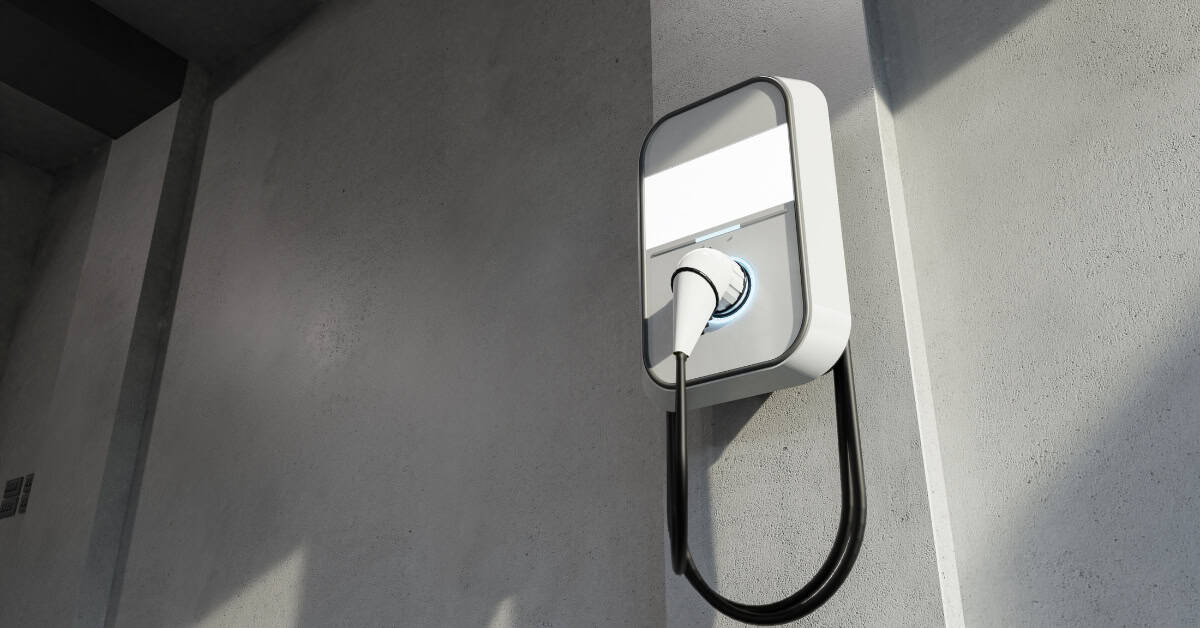
A Level 2 charger uses a 240 volt circuit, similar to what a clothes dryer or oven uses. This is the setup most EV owners choose in:
- Single family homes with garages
- Townhomes with assigned parking
- Small offices and retail locations
Level 2 chargers come in two common styles:
- Plug in units that connect to a 240 volt outlet
- Hardwired units that connect directly to your electrical system
Plug in units can be easier to change out later. Hardwired units can look cleaner on the wall and often support higher power in some cases. In many projects, the cost to wire a dedicated circuit and mount the unit affects the final price more than the difference between these two charger styles.
Home Versus Small Business Installations
Home installs around the Triangle tend to focus on convenience and daily routine. Many people want to pull into a garage or driveway, plug in, and be ready to go again each morning.
Small business installs feel a bit different because they often serve more than one driver. Common goals include:
- Employee charging in a back lot
- Customer charging near the front entrance
- A few stations for light fleet vehicles or service vans
Business installations can cost more because they may involve:
- Longer wire runs across parking areas or around buildings
- Multiple chargers on one property that share capacity
- Coordination with property managers, tenants, or multiple decision makers
A small retail shop might start with one or two chargers for customer use. An office in the Research Triangle Park area might plan several stations so employees can charge while they work. The basic pieces are similar, but layout, power needs, trenching, and planning for future expansion can all change the final cost.
Call M Power Electric at 919.229.9778 to schedule your quote and talk through your plans. A thoughtful EV charger setup can support more convenient driving today and a more independent, resilient energy setup for your future.
Key Cost Factors For Triangle Property Owners
Every home and building in the Triangle has its own quirks. Age, layout, and previous electrical changes all affect what it takes to install a charger safely.
Some of the biggest cost drivers you usually see include:
- Distance from the electrical panel to the charger location
- Panel size and available capacity for new circuits
- Age and condition of the electrical system
- Indoor versus outdoor installation locations
- Type of walls, crawlspaces, or attic access along the wire path
If your panel sits on the garage wall and you want the charger mounted close by, the job often stays simpler and more affordable. If your panel is in a finished basement and the charger needs to sit in a detached garage in Fuquay Varina or Clayton, the electrician has to do much more work to route power where you need it.
Older homes in Raleigh, Durham, or Wake Forest sometimes have panels that are already close to full. In that case, options might include:
- Upgrading the main electrical panel
- Adding a subpanel to create more breaker space
- Using an approved load management solution when appropriate
Each option comes with its own cost level and benefits. The main goal is to make sure your home can support the charger without constant breaker trips or unsafe overloading of old equipment.
Permits, Inspections, And Code Compliance In The Triangle
Across cities like Raleigh, Cary, Durham, Apex, Garner, and other Triangle communities, inspectors take electrical safety seriously. This focus protects you, your property, and often your insurance coverage as well.
For EV charger installs, you normally need:
- An electrical permit from the city or county
- Proper labeling and correctly sized breakers
- A final inspection from the local authority after work is complete
These steps keep your installation in line with national electrical codes and local rules. They also matter later if you refinance or sell your home and an inspector reviews your panel and recent upgrades.
Each Triangle municipality has its own process, fees, and timelines for permits and inspections. When a licensed electrician handles the paperwork and scheduling, you avoid guessing at forms or trying to interpret technical language on your own.
Incentives, Rebates, And Long Term Savings
From time to time, utilities or public programs offer incentives that help offset EV charger costs. These offers can provide real savings on top of the fuel savings you already see when you drive electric instead of buying gas.
Common types of support can include:
- Rebates on the purchase of a Level 2 charger
- Credits toward wiring and installation costs
- Special electric rate plans that reward off peak charging
Programs like these change over time, so it helps to check for current options in your area of the Triangle. Even without incentives, a home or workplace charger can save money over gas by letting you charge when electricity rates are lower and by cutting out gas station trips.
A well planned install can also prevent future extra costs. If you expect to add another EV or expand business charging, it often makes sense to size wiring and layout for growth while walls or trenches are already open.
EV Charger Installation For Energy Independence
For many Triangle property owners, an EV charger is just one part of a larger energy picture. Some people also think about home generators, especially after living through a few hurricane seasons or winter ice storms.
When the grid goes down, a backup generator can keep key circuits running. With the right setup, that can include:
- Your EV charger in some cases
- Refrigerators and freezers
- Crucial lighting and outlets
This kind of plan takes some upfront design so your panel, generator, and charger work together safely. It is important to avoid a tangle of temporary cords or improvised solutions during an outage, because those can create both safety issues and frustration.
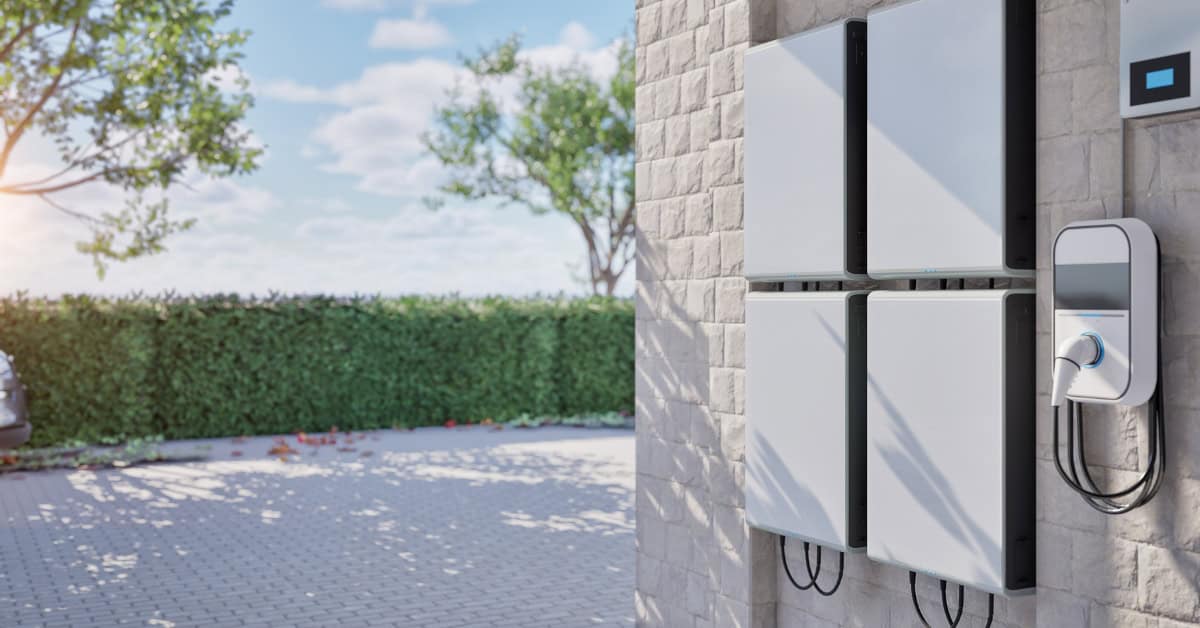
If you see solar panels in your future, it also helps to plan your EV charger circuit with that in mind. A carefully thought out system makes it easier to tie everything together later without tearing into finished spaces again.
What A Safe, Code Compliant Installation Looks Like
A solid EV charger installation follows a clear and predictable process from start to finish. Good work does not rely on guesswork or shortcuts, and it leaves you with a system that feels steady and dependable every day.
A typical process in a Triangle home or small business often looks like this:
- Site visit and conversation about how you park, drive, and plan to use the charger
- Check panel location, capacity, and available breaker space
- Plan the exact charger location and the path for wiring or conduit
- Pull the permit with the correct city or county office
- Install wiring, conduit, breaker, and charger equipment
- Test the system under load and confirm proper operation
- Schedule and pass the final inspection
During the install, you should see close attention to safety details, such as:
- Correct grounding and bonding
- Proper breaker sizing and wire sizing
- Weather rated covers for outdoor outlets and boxes
- Clear and accurate labeling in your electrical panel
A clean, code compliant job might not look dramatic, and that is exactly the point. Once it is in place, you simply park, plug in, and trust that your home or building in the Triangle can handle the load safely every time.
How M Power Electric Supports Triangle EV Owners
When you install an EV charger, you want it safe, reliable, and fully up to code. You also want someone who understands the realities of Raleigh, Durham, Cary, Apex, Holly Springs, Wake Forest, Garner, Clayton, Fuquay Varina, and the surrounding Triangle communities.
M Power Electric works in these neighborhoods every day, so the team understands local permit offices, inspection styles, and the kinds of electrical systems found in both older homes and newer construction. That local experience helps keep your project smooth, predictable, and code compliant from start to finish.
Local, Code Compliant Work Across The Triangle
EV chargers draw significant power, so correct design and installation matter. A proper installation protects your vehicle, your panel, and the people who use the property.
We focus on safety first, with clear attention to national code and Triangle specific requirements. The goal is a system that feels simple to use and quietly dependable in the background.
A Simple, Clear Process From Quote To Turnkey Install
EV charging should feel straightforward for you. The details of permits, materials, and inspections can stay in the background while you make clear choices based on honest information.
We guide you step by step in plain language, from the first review of your panel to the final test of your charger. You know what is happening, what it costs, and why each step is important for safety and long term reliability.
Support For Homes, Small Businesses, And Future Growth
If you are a homeowner, we help you choose a charger location and setup that fits your parking habits and daily routine. If you are a small business owner, property manager, or contractor, we can help you plan for employee use, customer charging, and potential expansion as more drivers in the Triangle switch to EVs.
We also look at how your EV charger fits into your broader energy plans. That might mean thinking about a future home generator, planning wiring so a second EV can be added later, or keeping options open for possible solar integration.
Ready To Talk About Your EV Charger
If you are in the Triangle and ready to understand your EV charger options, you do not have to sort through everything on your own. M Power Electric offers free quotes so you can see what a safe, code compliant installation looks like for your specific home or business.
Call M Power Electric at 919.229.9778 to schedule your quote and talk through your plans. A thoughtful EV charger setup can support more convenient driving today and a more independent, resilient energy setup for your future.