
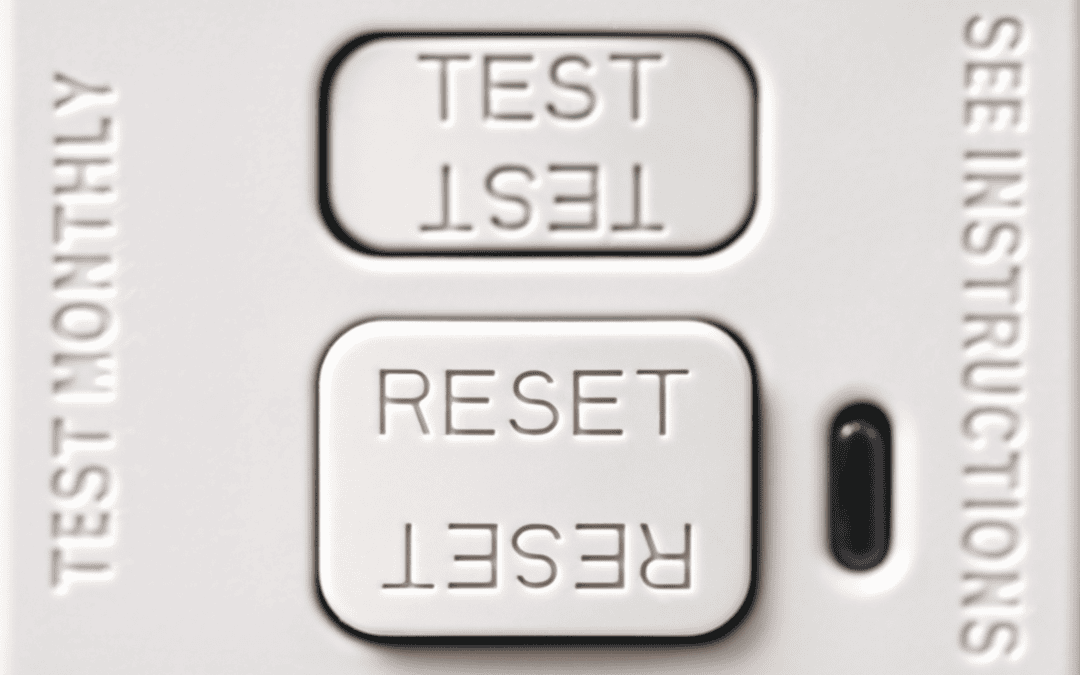
A GFCI outlet not working almost always means one of four things. It tripped and nobody reset it. Moisture got into the circuit. The device itself wore out. Or the outlet you are staring at is fed by a different GFCI somewhere else in the house.
The good news is that you can rule out the easy causes in about five minutes without tools. The important news is that a GFCI refusing to reset is the device doing its job, not failing at it.
Here is how to work through it in order. You will see what each symptom means and when to stop and call an electrician.
Do This Today Before You Assume the Worst
- Press the reset button firmly and listen for a click.
- Check the bathroom, garage, basement, and exterior walls for another GFCI that may be tripped.
- Unplug everything on that circuit, then try the reset again.
- Look at your breaker panel for a breaker sitting halfway between on and off.
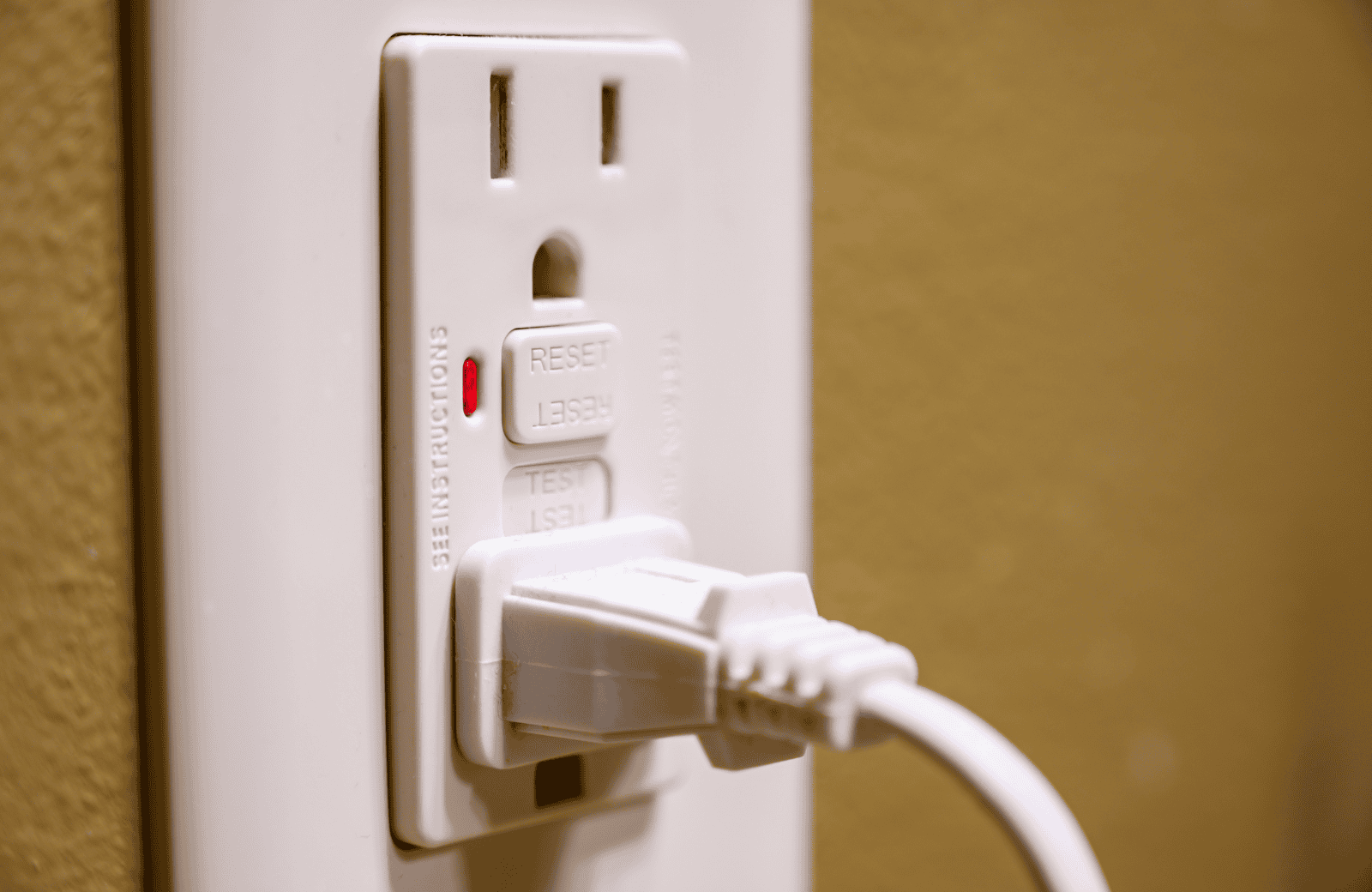
- Note whether the outlet has any indicator light, and what color it shows.
Those five checks solve a large share of calls before we ever get in the truck. Work through them in order, because each one rules out the next.
What a GFCI Outlet Actually Does
A ground fault circuit interrupter watches the current leaving the outlet and the current coming back. Those two numbers should match exactly.
When even a tiny amount goes missing, the device assumes that current found another path. Often that path is a person. It cuts power in a fraction of a second, well before the current can stop a heart.
The U.S. Consumer Product Safety Commission explains this protection in its GFCI fact sheet. The agency has recommended these devices in homes for decades because they prevent shock and electrocution in wet locations.
Why It Trips When Nothing Feels Wrong
A GFCI reacts to current as small as five milliamps. That is far below what a breaker notices.
So a damp extension cord or an aging appliance motor can trip a GFCI. Every breaker in your panel stays put. The device is more sensitive on purpose.
Why Is My GFCI Outlet Not Working?
Walk these causes in order from most common to least. That sequence saves you time and usually pinpoints the problem.
It Tripped and Nobody Reset It
This is the most common cause by a wide margin. Press reset firmly until you feel a solid click.
Nothing happens on a light press. If the button pops right back out, something on the circuit is still faulting.
The Real GFCI Is in Another Room
One GFCI protects everything wired downstream of it. So a dead outlet in your garage may be controlled by a GFCI in the bathroom.
This surprises almost everyone. Check every bathroom, the garage, the basement, the crawl space, and the kitchen counter. Look at exterior walls too before assuming this outlet is broken.
Moisture Reached the Circuit
Water is the classic trigger, especially on exterior receptacles after a Triangle thunderstorm. Moisture creates the exact leakage path the device exists to catch.
Open the weather cover and look for standing water or corrosion. Let the box dry fully before you attempt another reset.
An Appliance on the Circuit Is Faulting
A failing motor, a damaged cord, or a heating element that has cracked will all leak current. Your GFCI catches the leak and shuts down.
Unplug everything on the circuit and reset. Then plug items back in one at a time, and the one that trips it again is your culprit.
The Device Reached the End of Its Life
GFCI outlets contain electronics that degrade. Ten to fifteen years is a reasonable service life, and heat and humidity shorten it.
A worn device may hold power but no longer protect you. That is the dangerous failure mode, and it is exactly why monthly testing matters.
Wiring on the Wrong Terminals
Every GFCI has line terminals and load terminals. Line feeds the device. Load feeds the outlets downstream.
Reverse them and the outlet may appear to work while offering no protection at all. This shows up constantly in homes where someone swapped a device without reading the label.
The Breaker, Not the Outlet
Sometimes the GFCI is fine and the circuit feeding it is dead. Look for a breaker resting between on and off, then push it fully off before switching it back on.
If that breaker trips again immediately, stop. That is a different problem, and our guide on why a breaker keeps tripping walks through it separately.
Match the Symptom to the Cause
| What You See | Most Likely Cause | What to Do Next |
|---|---|---|
| Reset button clicks and holds, power returns | Ordinary trip | Watch for repeats over the next week |
| Reset button will not stay in | Active fault on the circuit | Unplug everything, then reset |
| No click at all, button feels dead | No power reaching the device | Check the breaker panel |
| Outlet dead, no GFCI buttons on it | Fed by a GFCI elsewhere | Hunt down the upstream device |
| Trips only when it rains | Moisture intrusion | Dry the box, check the cover seal |
| Trips when one appliance runs | Faulty appliance | Retire or repair that appliance |
| Test button does nothing, power stays on | Failed device | Replace it promptly |
| Indicator light shows red or amber | Device signaling a fault | Read the label, then replace if needed |
How to Test and Reset a GFCI Safely
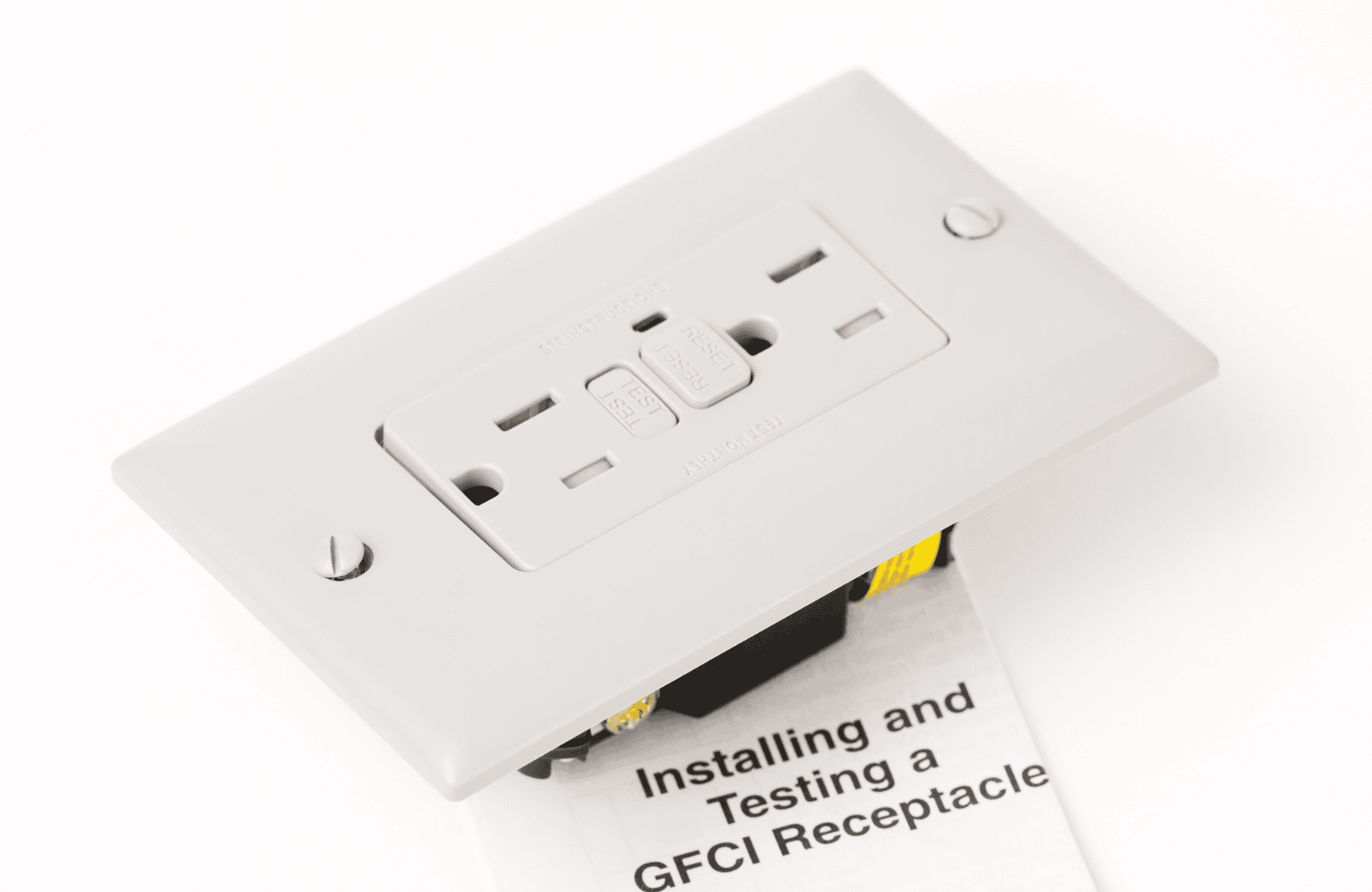
Testing takes under a minute and you should do it monthly. Here is the sequence.
- Plug a lamp into the outlet and switch it on.
- Press the test button. The lamp should go dark immediately.
- Press the reset button. The lamp should come back on.
- If the lamp never goes dark, the device has failed and needs replacement.
- If reset will not hold, leave it off and investigate the circuit.
Never jam the reset button or hold it down. A GFCI that refuses to stay reset is telling you something real about the circuit.
What the Indicator Light Means
Newer devices include a small status light. Manufacturers differ, so read the wording printed on the face.
- Steady green on most brands: the device is powered and protecting.
- Red or blinking: the device has detected a fault or failed its own self test.
- No light with power present: often an older model with no indicator at all.
GFCI Outlet or GFCI Breaker: Which One Belongs Where?
Protection can live at the outlet or back at the panel. Both meet code, and each fits certain situations better.
A GFCI outlet sits in the wall where you can see and test it. A GFCI breaker sits in your panel and protects the entire circuit from the first inch of wire onward.
| Consideration | GFCI Outlet | GFCI Breaker |
|---|---|---|
| Device cost | Lower | Higher |
| Easy to test monthly | Yes, right in the room | Requires a trip to the panel |
| Protects the wiring itself | Only downstream of the device | The entire circuit |
| Best for | Bathrooms, kitchens, single locations | Whole circuits, outdoor runs, spas |
| Finding a trip | Obvious, the button is out | Less obvious, panel door closed |
| Wall space used | Deeper box needed | None in the room |
When We Recommend the Breaker
Outdoor circuits that feed several receptacles benefit from panel level protection. So do circuits buried behind finished walls where a bad splice could hide.
Hot tubs, pool equipment, and detached garages almost always call for a GFCI breaker. Protecting the wire from the panel forward is the point.
When We Recommend the Outlet
For a single bathroom or a kitchen counter, the outlet wins on cost and convenience. Being able to test it without walking to the basement matters more than people expect.
Most Triangle homes end up with a mix. Neither choice is wrong, and the layout of your circuits usually decides it.
Where the Code Requires GFCI Protection
Requirements have expanded steadily since the 1970s. Older Triangle homes rarely match current expectations, which is why so many kitchens and basements still run unprotected.
| Location | Protection Expected Today |
|---|---|
| Bathrooms | All receptacles |
| Kitchens | Countertop and dishwasher circuits |
| Garages and accessory buildings | All receptacles |
| Outdoors | All receptacles |
| Unfinished basements and crawl spaces | All receptacles |
| Laundry areas | All receptacles |
| Near sinks and wet bars | Receptacles within six feet |
Your home does not become illegal when codes update. But an unprotected bathroom outlet in a 1978 house carries the same risk today as it did then.
Why This Matters More Than It Looks
Receptacles are not a minor category in fire statistics. The Electrical Safety Foundation International reports that receptacles are involved in 5,300 fires every year. Those fires cause forty deaths and more than 100 injuries.
The same ESFI home electrical fires summary puts total home electrical fires near 51,000 a year. Property damage runs 1.3 billion dollars. A dead outlet is worth ten minutes of your attention.
The Failure Nobody Notices
A tripped GFCI announces itself loudly. A GFCI that no longer protects announces nothing at all.
The outlet still powers your hair dryer. It simply stops watching for the fault that would save your life. Only the monthly test reveals this.
When to Stop and Call an Electrician
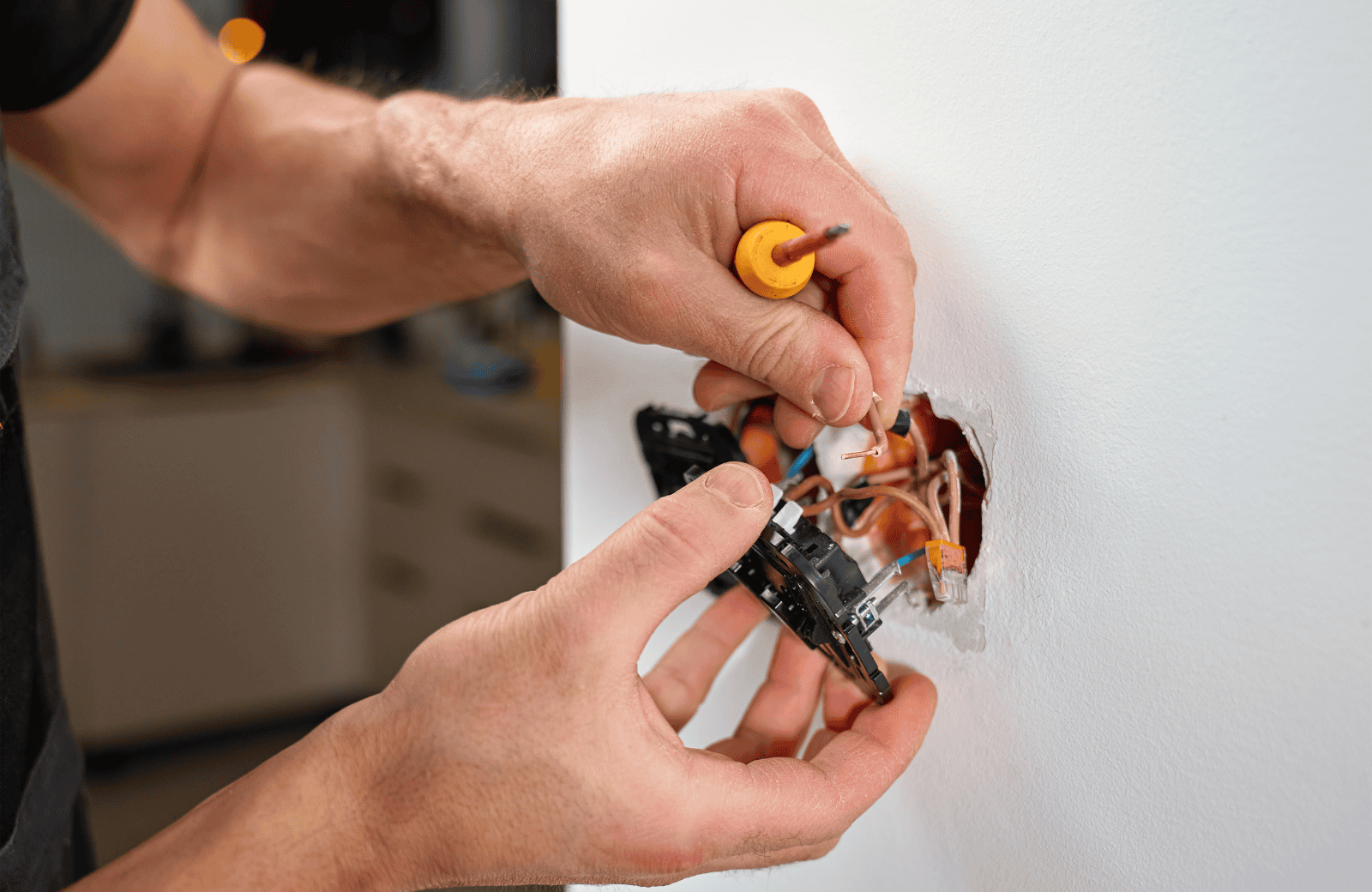
Plenty of GFCI issues are yours to solve. A few genuinely are not.
- The reset holds for a while, then trips again on its own repeatedly.
- You smell burning, see scorch marks, or notice discoloration on the face.
- The outlet or its cover feels warm.
- The test button does nothing when you press it.
- Multiple GFCIs across the house trip at the same time.
- The outlet is aluminum wired or sits in a two prong ungrounded system.
- You find water inside a box and cannot identify where it came from.
Any of those point past a simple device swap. Our electrical panel and safety services cover GFCI outlets, breaker replacement, and the panel work behind them.
Frequently Asked Questions
Why does my GFCI outlet keep tripping?
Repeat tripping means a real leakage path exists somewhere on the circuit. Moisture in an outdoor box, a failing appliance motor, and damaged insulation inside a wall are the three usual answers. Start by unplugging everything and resetting, then reintroduce devices one at a time. If it trips with nothing plugged in, the fault is in the wiring and needs a professional.
Can a GFCI outlet go bad without tripping?
Yes, and this is the most dangerous failure mode. The internal electronics can degrade while the outlet still delivers power normally. You would never know unless you press the test button and notice that power does not cut off. Test every GFCI in your home monthly for exactly this reason.
Why will my GFCI reset button not stay in?
A reset that pops straight back out means the device still senses a fault. Unplug everything on the circuit and try again, since a plugged in appliance is the most common source. If it still refuses with the circuit empty, the wiring or the device itself has a problem. Leave it off and have it inspected rather than forcing it.
How often do GFCI outlets need to be replaced?
Plan on ten to fifteen years for most devices. Outdoor and garage locations wear faster because heat, cold, and humidity all stress the electronics. Any GFCI that fails its test button should be replaced right away regardless of age. Replacement is inexpensive compared to what the device protects against.
Will a GFCI outlet work without a ground wire?
Yes. A GFCI compares outgoing and returning current, so it does not need a ground wire to function. This makes it a recognized way to upgrade older two prong outlets in homes with ungrounded wiring. The outlet must be labeled as having no equipment ground so future owners understand the setup.
Why did my bathroom outlet stop working when the breaker is still on?
Almost always because a GFCI upstream of it has tripped. One device protects every outlet wired after it. That device may sit in another bathroom, the garage, or the basement. Walk the house and press reset on every GFCI you find. If none of them restores power, the circuit needs testing.
Getting Your Outlets Back to Safe and Reliable
A GFCI outlet not working is usually a small problem with a fast fix. Occasionally it is your house warning you about something larger, and telling the difference is what we do.
What Our Visit Looks Like
We test the device, trace the circuit, and find the actual source rather than swapping parts and hoping. Then we explain what we found in plain language.
You receive a clear price before the work starts. No surprises once the cover plate is off.
Protection Across the Whole Home
Many Triangle homes have exactly one GFCI when they should have several. Our electrical panel and safety work covers GFCI coverage, arc fault breakers, surge protection, and smoke detectors.
Bringing an older home up to current protection is usually cheaper than homeowners expect. It is also one of the highest value upgrades you can make.
While We Are There
Outlets rarely travel alone. Do you have a switch that buzzes or a room short on receptacles? Our indoor electrical services handle it in the same visit.
One trip, one invoice, and work that passes inspection the first time. That is how we have served Raleigh, Cary, and Durham for more than fifteen years.
Call Us Before You Force That Reset Button
If a GFCI will not stay reset, leave it off and call us at 919 229 9778. We will get to you quickly and diagnose it properly.
You can also reach us through our contact page any time. Ask about our free estimate, and about the free outlet and switch inspection included with every indoor electrical service.