
A whole-house surge protector is a device installed at your electrical panel that shields every circuit in your home from sudden voltage spikes. In one sentence, a whole-house surge protector stops damaging surges before they reach your appliances, electronics, and wiring.
Power surges are more common than most Triangle homeowners think, and they do quiet damage over time. Below, we explain how these devices work, what they cost, whether you truly need one, and how we install them safely to code.
Key Takeaways
- A whole-house surge protector is installed at the panel and guards your entire home at once.
- Most surges start inside your home, not from lightning.
- The 2020 National Electrical Code now requires surge protection in new and renovated homes.
- Layer a panel device with plug-in protectors for your most sensitive electronics.
- Professional installation keeps the work safe, warrantied, and up to code.
What Is a Whole House Surge Protector?
A whole-house surge protector is a permanently connected device that mounts in or beside your main panel and diverts excess voltage safely to ground. It watches the power coming into your home and reacts in a tiny fraction of a second.
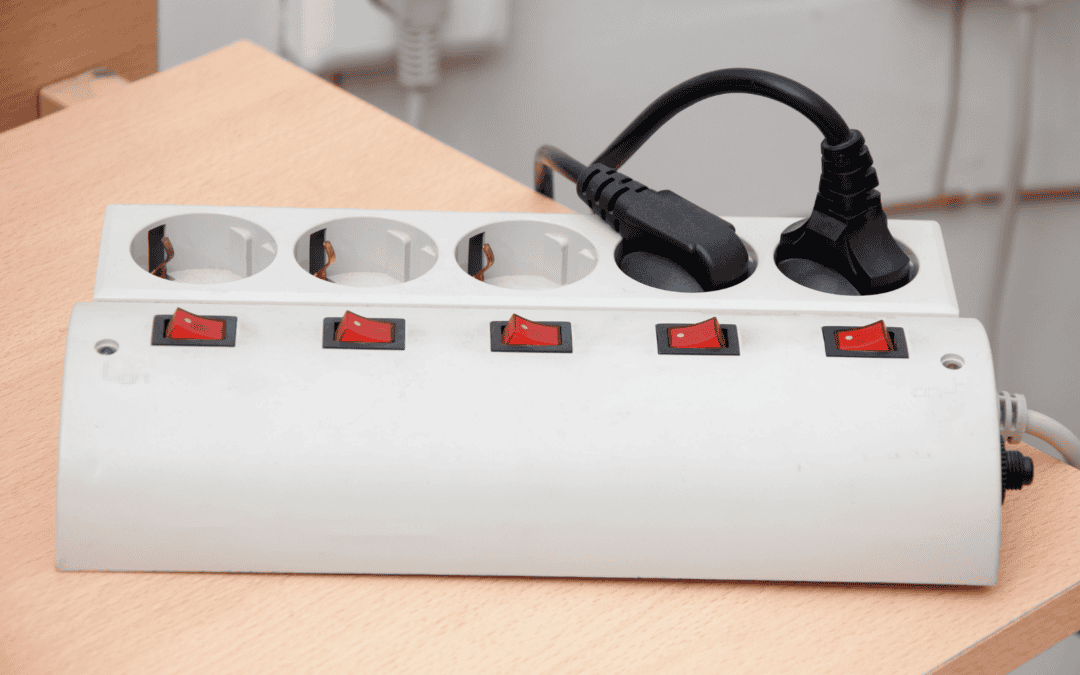
Unlike a small power strip, it protects every circuit at the source. That means your heat pump, range, water heater, and lights all sit behind one layer of defense.
Think of it as a gatekeeper for your electrical service. When a spike arrives, the device clamps the voltage down to a safe level.
How Does a Whole House Surge Protector Work?

A whole-house surge protector works by sensing voltage above a safe threshold and shunting the extra energy to the ground wire. Your sensitive electronics never see the full force of the spike.
The device sits on the panel, so it catches surges as they enter from the utility. It also helps with surges that start inside your own walls.
Where Surges Come From
Surges come from both outside and inside your home, and the inside sources are a surprise for most people. According to the Electrical Safety Foundation International, it is estimated that 80 percent of surges are caused by internal sources.
Common internal causes include large appliances cycling on and off, faulty wiring, loose connections, and overloaded circuits. External causes include lightning, damage to power lines, and utility grid switching.
Why Small Surges Still Matter
Big lightning strikes grab attention, but small repeated surges do the slow damage. Each little spike chips away at the lifespan of your electronics and motors.
Over months and years, that wear shows up as early failures. A panel device blunts those daily spikes so your gear lasts longer.
Do You Really Need a Whole House Surge Protector?
Yes, most homes benefit from one, because modern households run on sensitive electronics that surges love to damage. The value at risk is higher than many homeowners realize.
According to the Electrical Safety Foundation International, citing the National Electrical Manufacturers Association, the average home has 15,000 dollars worth of equipment that can be damaged by surges. You can review the details on the ESFI surge protective devices page.
Think about everything that plugs in today. Smart thermostats, televisions, computers, gaming systems, kitchen appliances, and HVAC control boards all carry delicate circuit boards.
Homes That Benefit Most
Some Triangle homes gain even more from surge protection than others. You are a strong candidate if any of these apply:
- You own a lot of electronics or smart home gear.
- Your home has an older electrical panel.
- You live where storms and lightning are frequent.
- You have added an EV charger, heat pump, or solar system.
- You have noticed lights flickering when big appliances start.
Is a Whole House Surge Protector Required by Code?
Yes, surge protection is now required by the 2020 National Electrical Code for new and renovated homes. This is a meaningful shift that reflects how much we rely on electronics today.
The Electrical Safety Foundation International confirms that surge protection is required by the 2020 National Electrical Code and that all new and renovated homes must be protected by listed Type 1 or Type 2 surge protective devices. You can read the guidance on the ESFI home surge protective devices page.
If you upgrade your panel or do major electrical work, this requirement often applies to you. We handle the code details so your project passes inspection.
What Are the Types of Surge Protection?
There are three types of surge protective devices, and the best protection layers them together. Each type guards a different point in your electrical system.
Compare the Three Types
| Type | Where It Installs | What It Protects | Best Role |
|---|---|---|---|
| Type 1 | Before or at the main panel, inside or outside | External and internal surges | First line of defense at the service |
| Type 2 | Inside or next to the breaker box | Internal and external surges | Whole home protection at the panel |
| Type 3 | At the outlet, point of use | A single device or group of devices | Extra protection for sensitive electronics |
A Type 1 or Type 2 device gives your whole home its main shield. A Type 3 plug-in unit then adds a final layer for a computer or entertainment center.
Using all three together gives you the strongest defense. We help you choose the right mix for your home and budget.
How Much Does a Whole House Surge Protector Cost?
Most whole-house surge protector installations fall into a modest range compared to the value they protect. The final price depends on your panel, the device, and any needed panel work.
What Drives the Price
Several factors shape your total cost. Here is what we look at during your estimate:
- The type and rating of the device you choose.
- The age, brand, and space inside your panel.
- Whether your panel needs a spot cleared or a small upgrade.
- Permit and inspection needs for your city.
Set that against 15,000 dollars of vulnerable equipment, and the math gets simple. A device that protects your entire home is a small cost for real peace of mind.
Why Professional Installation Matters
A surge device connects to your live electrical service, so this is not a safe do-it-yourself job. Proper grounding and correct wiring are what make the device actually work.
We install it fast, test it, and make sure it meets code. That is how you get protection you can count on.
How Do You Choose the Right Surge Protector?
You choose the right surge protector by matching the device rating to your home and pairing panel protection with point-of-use units. The numbers on the box matter, and we translate them for you.
Ratings to Understand
A few key specs tell you how strong a device is. Look at these when you compare options:
- Surge current rating in kiloamps, which shows how large a surge it can handle.
- Clamping voltage, where a lower number means tighter protection.
- Response time, where faster is better.
- A warranty from the manufacturer on the device.
We size the device to your home so you do not overpay or underprotect. Our team explains every choice in plain language during our electrical panel and safety services visit.
What Happens to Your Home Without Surge Protection?
Without surge protection, every spike travels straight to your appliances and electronics and wears them down or destroys them. The damage ranges from a slow decline to a sudden, total failure.
Sometimes a surge fries a device in an instant, like a control board on a furnace or a television. More often, small surges shorten the life of your gear a little at a time.
The Hidden Cost of Doing Nothing
You may not connect a dead appliance to a surge that happened weeks earlier. That is what makes surge damage so easy to overlook.
Replacing a single major appliance can cost hundreds or thousands of dollars. A one-time surge device costs far less than one of those replacements.
Signs Your Home Sees Regular Surges
Some clues suggest surges are already at work in your home. Watch for these patterns:
- Lights that dim or flicker when an appliance starts.
- Electronics that reset or fail earlier than expected.
- A faint buzzing at outlets or the panel.
- Frequent storms or utility work in your area.
How Is a Whole House Surge Protector Installed?
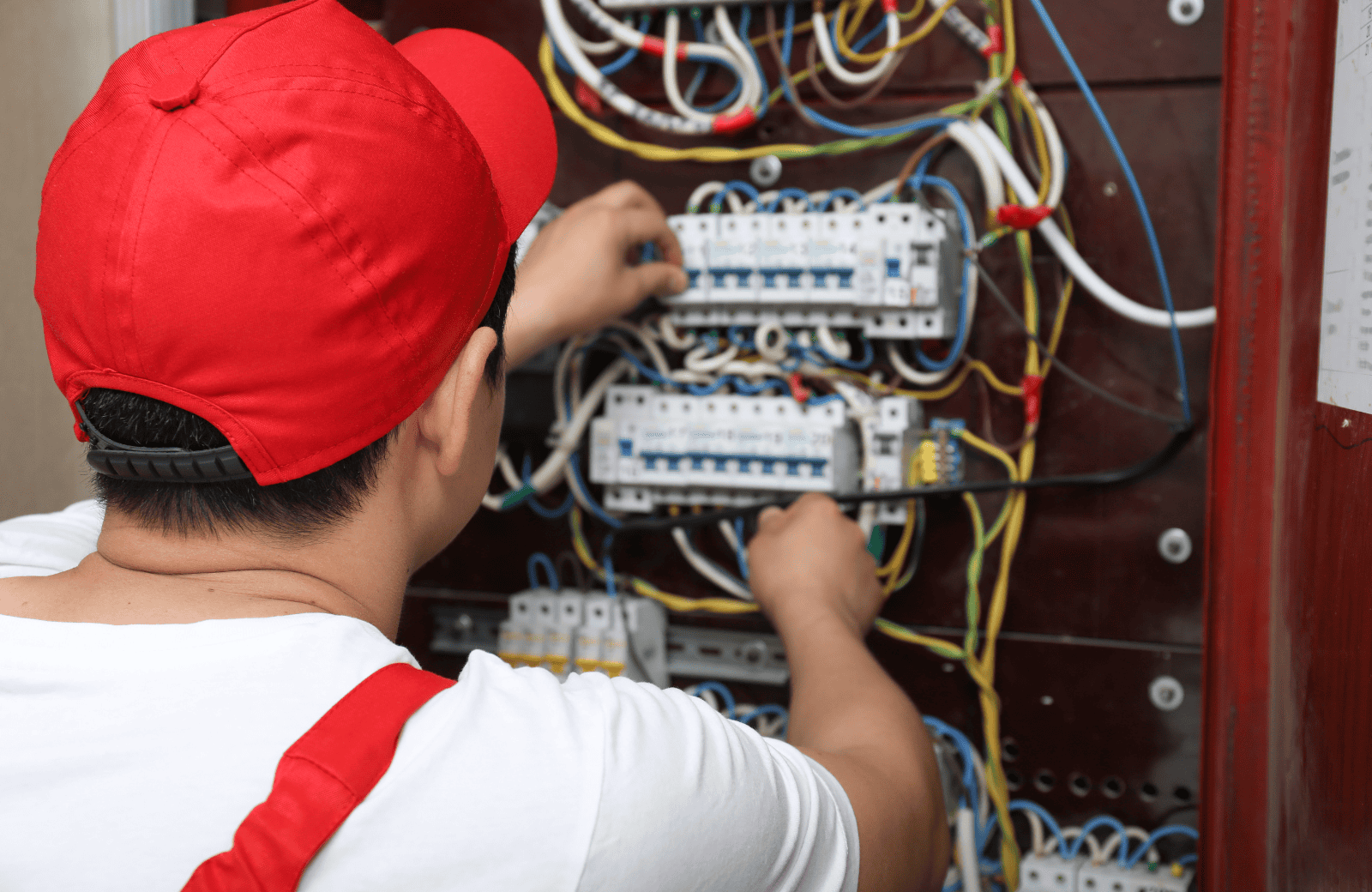
A whole-house surge protector is installed at your main panel by a licensed electrician, usually in about two hours. The device connects to a dedicated breaker and to your grounding system.
We start by shutting off power at the panel so the work stays safe. Then we mount the device, wire it in, and confirm the ground is solid.
What to Expect on Install Day
The process is quick and clean for most Triangle homes. Here is the typical order of work:
- We review your panel and confirm there is space for the device.
- We shut off the power and mount the surge protective device.
- We connect it to a breaker and verify the grounding.
- We restore power and check the status indicator.
- We handle any permit and inspection your city requires.
You end up with protection that runs quietly in the background. The indicator light lets you confirm it is still on guard.
Whole House Surge Protector or Power Strip: Which Do You Need?
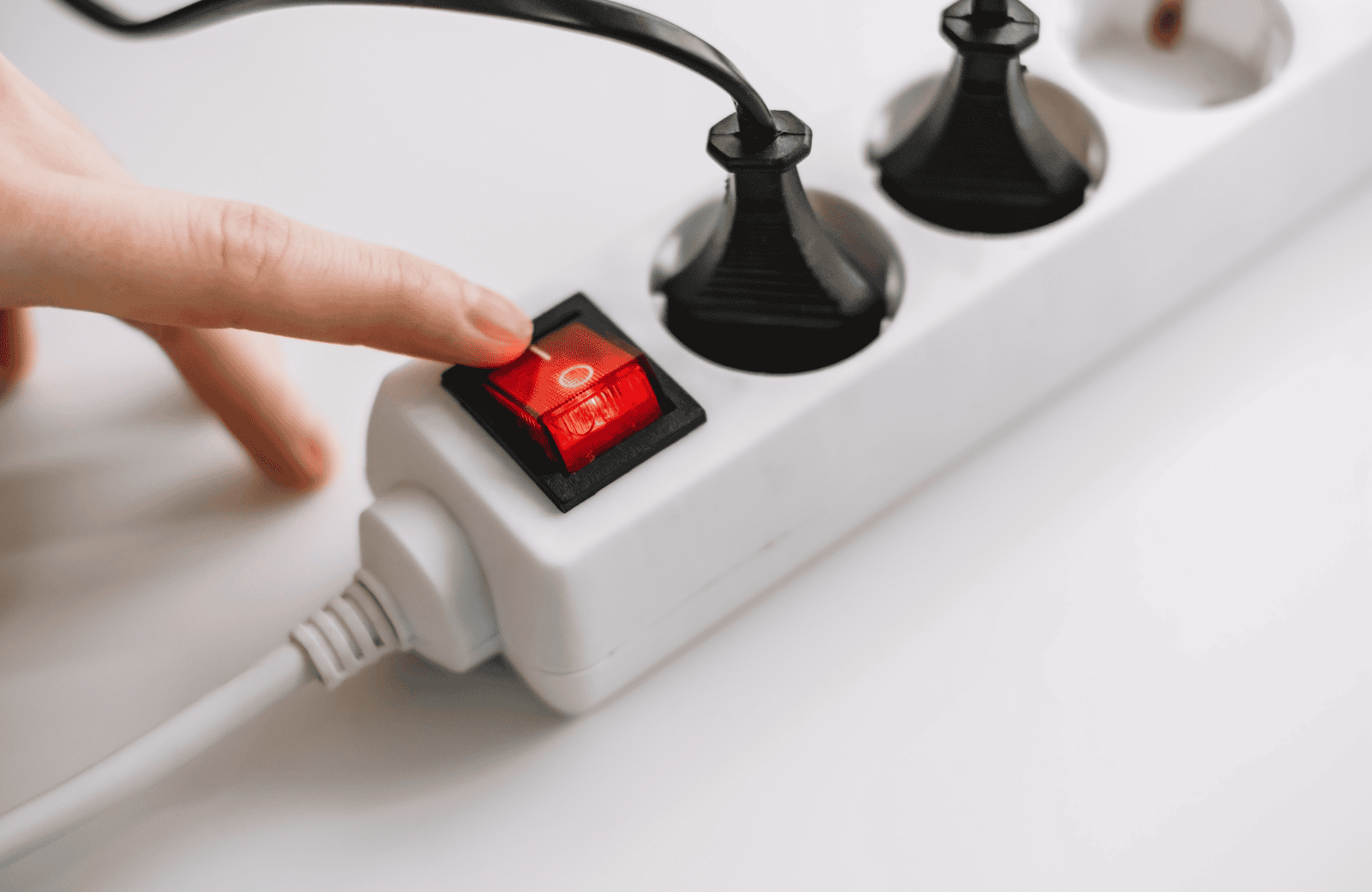
You need both because they solve different parts of the same problem. The panel device stops large surges at the source, and the power strip adds a final layer at the outlet.
A power strip alone cannot protect hardwired items like your HVAC, water heater, or oven. Those large systems only get protection from a device at the panel.
Better Together
Pairing the two gives your electronics a layered defense. The panel unit takes the big hit, and the point-of-use unit cleans up what is left.
This layered setup is exactly what the code intends. We help you build it in a way that fits your home and your budget.
When Should You Add Surge Protection to Your Home?
The best time to add surge protection is before a storm or a big electrical upgrade, not after a costly loss. Waiting only leaves your electronics exposed.
You should act soon if your home has an older panel, added electric vehicle charging, or a lot of smart devices. Each of these raises what you stand to lose.
We can add a device during a panel upgrade or as a standalone visit. Learn how we handle both on our electrical panel and safety services page.
The upgrade is quick, and the protection lasts for years. That makes it one of the easiest safety wins for your home.
Frequently Asked Questions
Does a whole-house surge protector stop lightning damage?
It greatly reduces damage from most surges, including the smaller spikes that follow nearby lightning. No device can fully absorb a direct lightning strike, so pairing it with point-of-use protectors gives your electronics the best odds.
How long does a whole-house surge protector last?
Most units last several years, and many have an indicator light that shows when they are still working. After a very large surge, the device may need replacement, so we check it during routine service.
Can I install a whole-house surge protector myself?
We do not recommend it because the device connects directly to your live panel and requires proper grounding. A licensed electrician makes sure it is wired correctly, meets code, and keeps its warranty valid.
Will I still need power strips at my outlets?
Yes, point-of-use protectors still add value for your most sensitive electronics. The panel device handles the large surges, while a Type 3 unit adds a final layer at the computer or television.
Does a surge protector help with high power bills?
It does not lower your bill directly, but it does protect the appliances and electronics that would be costly to replace. By preventing damage, it saves you money over the life of your equipment.
Is surge protection worth it for an older Raleigh home?
Yes, older homes often have more sensitive wiring and less built-in protection. A panel device is a smart upgrade that guards your growing collection of electronics and helps bring your system up to modern standards.
Protect Your Whole Triangle Home Today
Your home is full of electronics that deserve real protection, and a panel-level surge device is one of the smartest upgrades you can make. We make the whole process simple, safe, and code-compliant.
Why Homeowners Trust Us
We are licensed, insured, and fully code compliant, and we take care of the permits and inspections. We back our work with a workmanship warranty and clear, honest guidance.
We size the right device for your home and install it correctly the first time. That is how we protect the families we serve across Raleigh and the Triangle.
Schedule Your Free Estimate
Do not wait for the next storm to test your luck. Call us at (919) 229 9778, and we will get you on the schedule quickly.
You can also reach us through our contact page to request your free estimate. Let us guard your home from the surges you never see coming.