
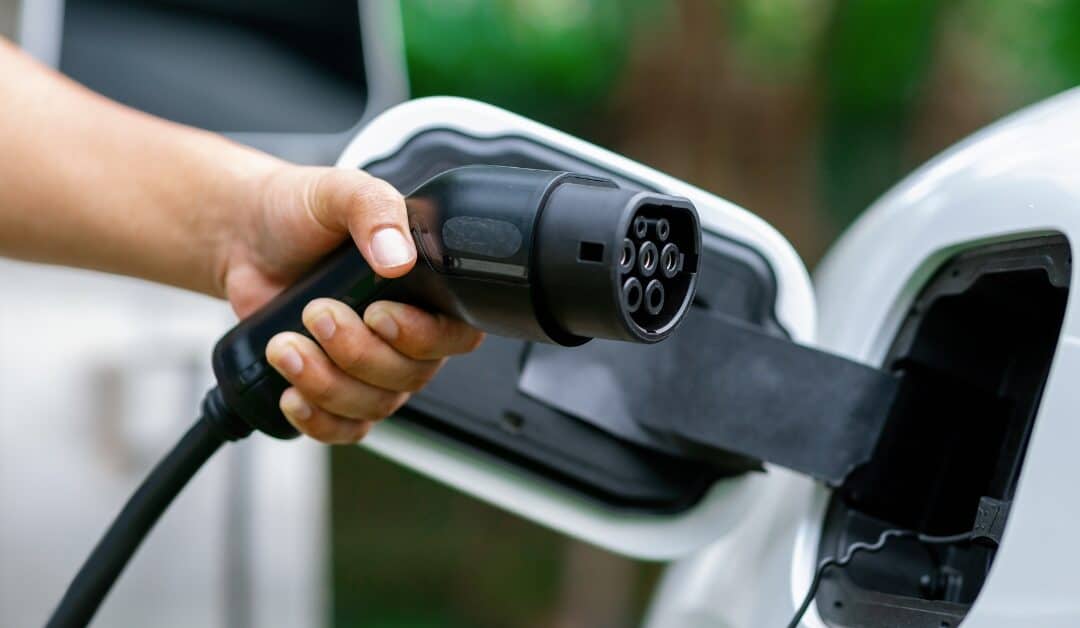
If you live in the Triangle and drive an electric vehicle or plan to buy one soon, the EV charger tax credit 2026 can make your home or business charging setup much more affordable.
This credit helps cover part of the cost to install a Level 2 charger so you charge faster and rely less on public stations across Raleigh, Durham, Cary, Apex, and nearby communities.
Right now, more electric vehicles sit in driveways and parking lots across the Triangle every month, and that shift puts your electrical setup front and center.
You want charging that feels simple, safe, and convenient, and you also want to understand how federal incentives fit into your budget instead of guessing after the work is done.
In this blog, you see how the 2026 EV charger tax credit works in clear terms.
You learn who typically qualifies, which types of chargers it applies to, and how the timing of your project affects what you can claim at tax time.
This guide also walks through what it takes to get a code-compliant installation in a typical Triangle home or small business.
By the end, you have a solid roadmap so you can talk with your tax professional and your electrician with confidence and plan a charger setup that fits both your daily life and your long-term energy goals.
Understanding The EV Charger Tax Credit 2026 In The Triangle
The EV charger tax credit 2026 is a federal incentive that helps lower the cost of installing charging equipment where you live or work. Instead of lowering the price at the store, it can reduce the federal taxes you owe for that year.
A tax credit works differently from a deduction.
A deduction lowers your taxable income, while a credit directly reduces your tax bill, which can be more powerful for many Triangle families and small businesses.
What The EV Charger Tax Credit 2026 Actually Is
At its core, this credit encourages more people to add electric vehicle charging in places where it is used every day.
That includes homes, small businesses, and managed properties across the Research Triangle region.
The credit typically applies when you install qualifying charging equipment and related electrical work within a specific time period set by the federal government.
Because those rules can shift, it is wise to confirm the current structure with a tax professional when you are ready to file.
Who Usually Qualifies In The Triangle
You do not need to live in a brand new home in North Hills or a luxury condo in downtown Durham to benefit. Many everyday setups across the Triangle can qualify if you install eligible electric vehicle charging equipment.
In simple terms, you usually look at two broad groups:
- Homeowners who install a charger at their primary residence, such as
- Single-family homes in Raleigh, Cary, or Apex
- Townhomes and duplexes in Holly Springs or Garner
- Condos with assigned parking in Durham or Wake Forest
- Small business owners or property managers who install chargers at
- Offices and coworking spaces
- Retail shops, cafes, and restaurants
- Small warehouses, service bays, and mixed-use buildings
Your specific tax situation matters, so you always want to confirm details with a tax professional.
The goal here is to give you a clear picture of how the credit can fit into your electric vehicle charging plans in the Triangle.
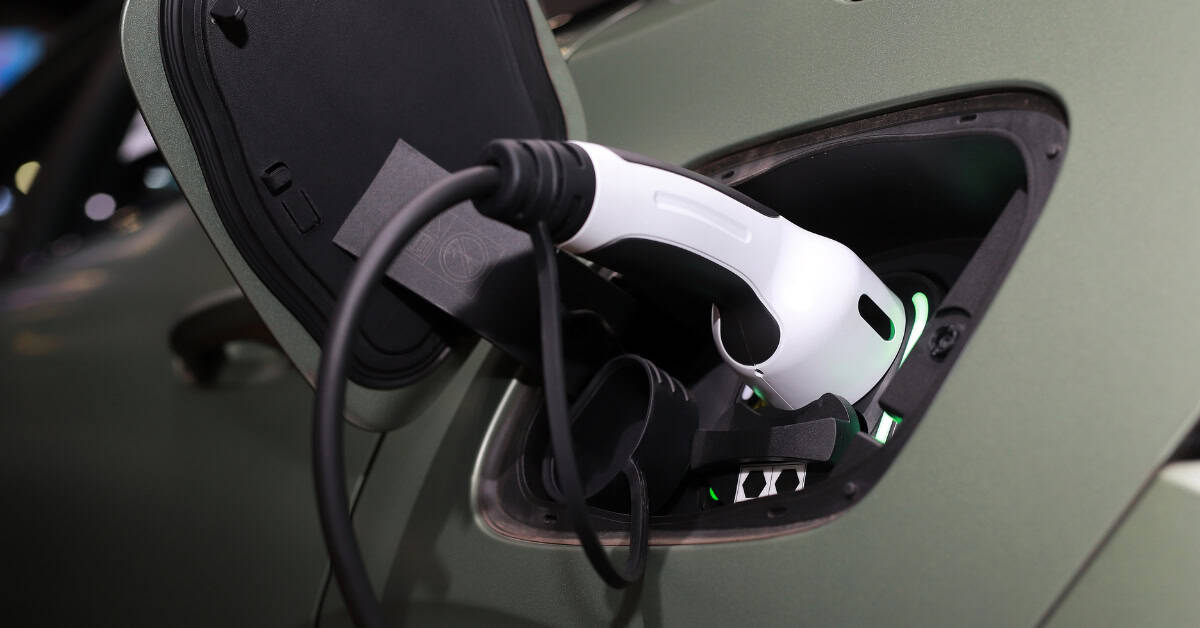
What Types of EV Chargers The Credit Can Cover
The credit focuses on charging equipment that stays in place and connects to your electrical system. In most Triangle homes and small businesses, that means Level 2 chargers.
A Level 2 charger runs on a 240-volt circuit, similar to what a dryer or oven uses in your home. It charges faster than a standard wall outlet and is what many electric vehicle drivers in Raleigh, Durham, Cary, and nearby areas choose for daily use.
In many cases, the credit can apply to:
- Hardwired Level 2 home chargers
- Certain plug-in Level 2 chargers on a dedicated 240-volt circuit
- Commercial Level 2 chargers in parking lots or garages
The installation work around the charger also matters.
The credit can sometimes cover eligible electrical work that directly supports the charger, such as a new dedicated circuit or conduit runs, as long as it meets program rules.
How Much You Can Potentially Save
Every project looks a little different, but the credit usually covers a percentage of the total eligible cost, up to a set maximum.
That cost can include both the charger itself and qualifying installation work.
To make it easier to picture, imagine a few common Triangle scenarios:
- A homeowner in Apex installs a Level 2 charger in the garage with a new dedicated circuit. The credit may offset part of the total bill, so more of your cash stays available for other projects.
- A small business in Durham adds a pair of chargers in the employee parking lot. The credit can help soften the impact of trenching, wiring, and panel work.
- A property manager in Raleigh outfits a small condo lot with a set of shared chargers. The credit can make the first phase of that project less painful on the budget.
You still pay for the work up front, then you use the credit when you file your federal return.
That is why planning, timing, and good documentation all matter.
Planning Your EV Charger Project Around The Credit
Before you apply for anything, it helps to think through how an electric vehicle charger fits into your daily life or your business routine.
A bit of planning now can keep you from rushing later when you want to claim the EV charger tax credit 2026.
The steps below walk through how many Triangle homeowners, small business owners, and property managers approach a new charging project.
You can adjust each step based on your own building and goals.
Decide Where You Want To Charge
Placement is one of the biggest decisions because it affects cost, convenience, and safety. Where the charger goes and how you plan to use it will shape everything else.
For homeowners, the most common choices are:
- Inside a garage, attached or detached
- On an exterior wall near a driveway
- On a carport or parking pad near the house
For businesses and managed properties, you look at:
- Customer parking is close to the front entrance
- Employee parking behind or beside the building
- Spots reserved for company vehicles or small fleets
Short daily commutes around Raleigh and Cary may allow slower overnight charging, while longer drives into RTP or Chapel Hill can push you toward a faster and more accessible spot.
Thoughtful placement also reduces trip hazards and keeps cords where people will not easily drive over them.
Check Your Electrical System And Safety Needs
Once you know where the charger might go, you want to think about the electrical system that feeds it. A professional EV charger installation starts with checking whether your panel and existing electrical system can safely support the added load. Many older homes in Raleigh, Durham, and Wake Forest were not built with electric vehicles in mind.
Common checks include:
- Panel capacity, do you have room for a new breaker
- Service size is your service large enough to support normal home loads plus an electric vehicle charger
- Existing circuits, are there any overloaded or outdated circuits that need attention first
In some homes, you already have enough capacity, and the charger can go on a new circuit without much fuss.
In others, you may need a panel upgrade or a subpanel, which can still pair with the tax credit, depending on how the costs line up with the rules.
In every case, safety comes first.
A dedicated, properly sized circuit helps protect your home, your car, and your family.

Understand Permits And Inspections In Triangle Cities
In the Triangle, electric vehicle chargers usually are not a plug it in and forget it kind of project. Cities and counties want to know that the work meets the electrical code, which means permits and inspections.
Typical steps include:
- A permit application with your local building or inspections department
- An inspection after the work is complete to confirm the installation meets current code
Requirements can vary slightly between places like Raleigh, Cary, Durham, Apex, Holly Springs, Garner, Clayton, and Fuquay Varina. When your project has the right permits and passes inspection, you lower the chance of problems later with home insurance, resales, or future upgrades.
If you want to take advantage of the EV charger tax credit 2026 and keep your project safe and code compliant, it helps to talk through the details early.
We walk you through placement, electrical needs, permits, and what to document so you can speak with your tax professional with confidence.
To get started, reach out for a free quote and a straightforward look at your options across the Triangle.
Call us today at 919.229.9778 and let us help you plan an electric vehicle charging setup that fits your home, your business, and your long-term energy goals.
Think Through The Timeline For The 2026 Credit
The phrase EV charger tax credit 2026 can trick you into thinking you have plenty of time. In the real world, the best time to plan is before everyone rushes to install chargers as deadlines approach.
You want to leave room in your timeline for:
- Choosing the right charger and location
- Getting an electrical assessment
- Pulling permits and waiting for approval
- Scheduling the actual installation
- Passing the final inspection
Supply chain delays can still appear from time to time.
When you plan ahead, you give yourself more control over costs and timing instead of waiting for the last minute.
Keep Good Documentation For Tax Time
Even the best tax credit does not help if you cannot prove what you installed. Good records make life easier for you, your tax professional, and anyone who looks at the property later.
You want to keep:
- Itemized invoices that separate equipment and labor
- Copies of permits, inspection sign-offs, and any utility paperwork
- Product information for your charger, such as brand and model
Create a simple folder, digital or paper, for your electric vehicle charger project.
When tax season arrives, you can hand that folder to your tax preparer and let them match your project to the current credit rules.
Local Factors That Shape EV Charger Value In The Triangle
The Triangle is growing quickly, and electric vehicles are a bigger part of that picture every year.
Chargers at homes and businesses now play a real role in property appeal, convenience, and resilience.
Understanding how local housing, traffic patterns, and weather affect charging can help you design a setup that feels useful today and smart for the long term.
Benefits For Homeowners In Growing Neighborhoods
More buyers now ask about electric vehicle-ready homes in Raleigh, Cary, Durham, and surrounding areas.
A well-installed Level 2 charger does not just make daily life easier, it can also help your home feel more future-ready.
For you as a homeowner, a charger can:
- Turn your garage into your main fuel station
- Save time on trips to public chargers in busy areas like downtown Raleigh or Southpoint
- Add a modern feature that many future buyers already expect
A safe, code-compliant charger also builds peace of mind.
You know the wiring behind the wall is set up to handle the load day after day.
Benefits For Small Businesses And Commercial Properties
If you run a business or manage a property in the Triangle, EV chargers can support both your brand and your bottom line. People notice when they can pull in, plug in, and shop or work at the same time.
Common benefits include:
- Attracting electric vehicle drivers who prefer locations where they can charge while they spend time
- Encouraging longer visits for customers at shops, restaurants, and service businesses
- Supporting employees who drive electric vehicles and want to charge during their shift
For small offices and medical practices, chargers in the lot can also signal a forward-looking, energy-aware mindset. The EV charger tax credit of 2026 helps make that upgrade more realistic for smaller budgets.

Weather, Outages, And Backup Power In North Carolina
In the Triangle, you know how fast a summer storm can roll in and knock out power.
When you drive an electric vehicle, it is natural to think about how outages affect your ability to charge.
Electric vehicle chargers fit into a larger conversation about resilience and backup power.
Some homeowners and businesses choose to combine:
- Level 2 chargers for daily use
- Backup generators or other power solutions for storm seasons
The EV charger tax credit 2026 focuses on the charging side, but it often sparks bigger planning conversations about how you want your home or business to handle the next big storm. That kind of whole picture thinking can make your investment feel smarter over time, especially when you care about both convenience and reliability.
How A Local Triangle Electrician Supports Your Ev Plans
A good plan on paper still needs safe wiring in the walls and the right equipment on the wall. This is where a licensed local electrician in the Triangle can make the process calmer and more straightforward.
M Power Electric is a locally trusted, licensed electrical contractor that focuses on safety, service, and sustainability.
We work every day with homeowners and small businesses who want reliable, code-compliant installations for electric vehicle chargers and backup power.
Making EV Charging Simple And Safe At Home
You want charging at home to feel as simple as parking for the night. We help you think through panel capacity, charger location, and safety so your setup stays code-compliant, neat, and easy to use.
Whether you live in Raleigh, Cary, Durham, Apex, Holly Springs, Garner, Clayton, Fuquay Varina, or Wake Forest, your home and neighborhood shape the right solution.
We look at how you actually park and drive, then help you plan a charger that fits your daily routine.
Supporting Small Businesses And Properties Across The Triangle
If you run a shop, office, or small commercial space, electric vehicle charging can support staff and customers at the same time. We help you design practical, reliable layouts so chargers fit your lot, your building, and your budget.
For property managers and general contractors, we help bring electric vehicle-ready parking into new builds and upgrades across the Triangle.
Thoughtful planning now can make your properties feel future-ready as more drivers plug in.
Planning For Power Reliability And Future Growth
Many Triangle families and businesses also think about storms, outages, and long-term energy goals. We help you see how electric vehicle chargers, service upgrades, and backup power solutions can work together over time.
You might start with a single charger today, then add more capacity, a home generator, or extra circuits later.
With a clear plan, you support your electric vehicle needs now and leave room for whatever comes next.
Your Next Step: Talk Through Your EV Charger Plan With Us
If you want to take advantage of the EV charger tax credit 2026 and keep your project safe and code compliant, it helps to talk through the details early.
We walk you through placement, electrical needs, permits, and what to document so you can speak with your tax professional with confidence. If you want a broader view of your options, you can explore our full electrical services to see how charger installation, lighting, and system upgrades work together.
To get started, reach out for a free quote and a straightforward look at your options across the Triangle.
Call us today at 919.229.9778 and let us help you plan an electric vehicle charging setup that fits your home, your business, and your long-term energy goals.